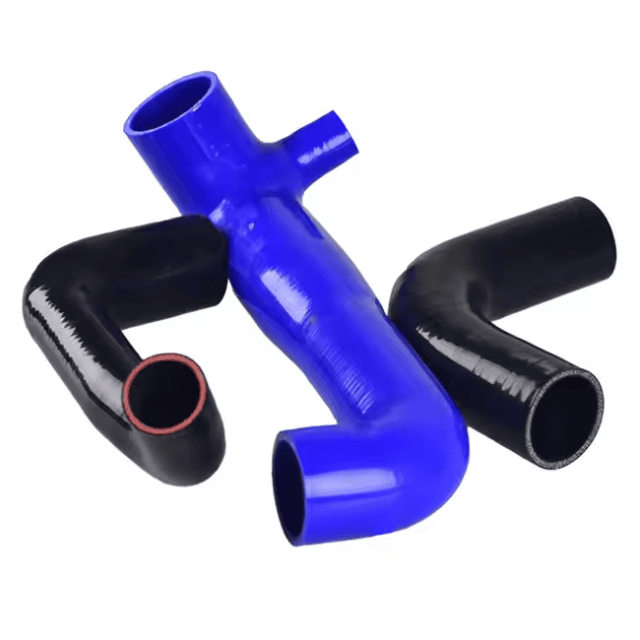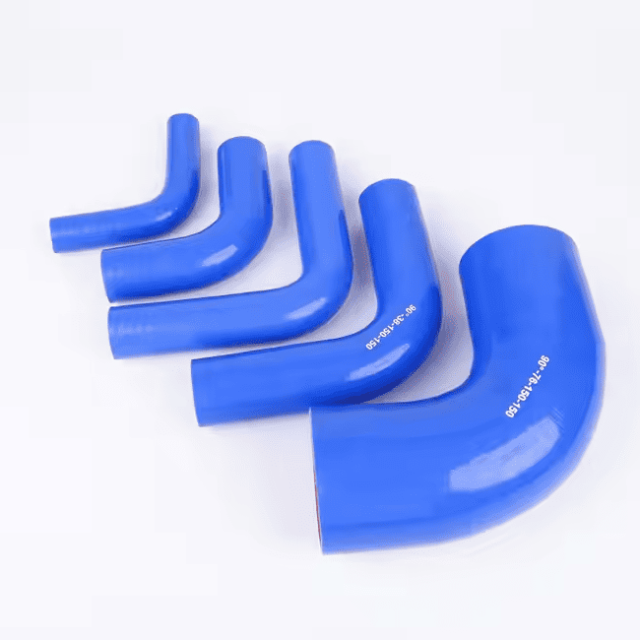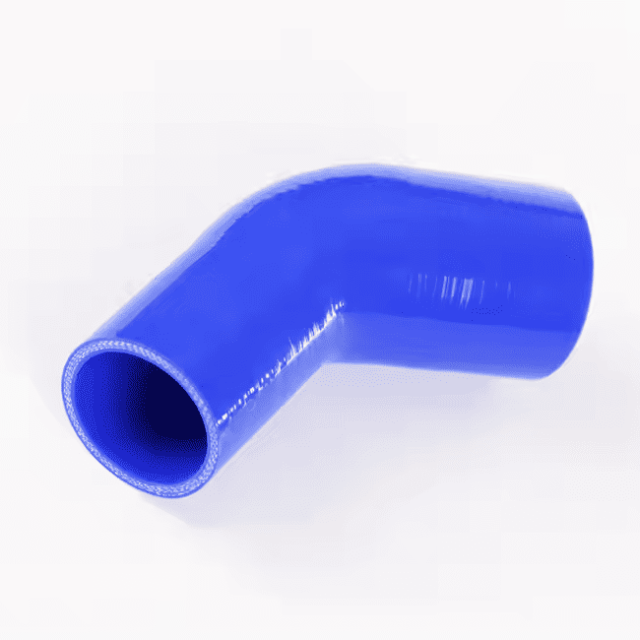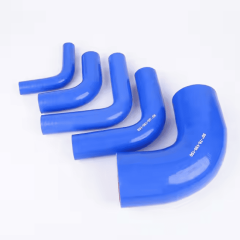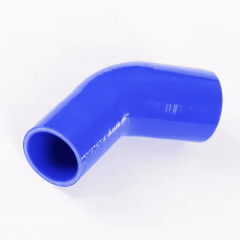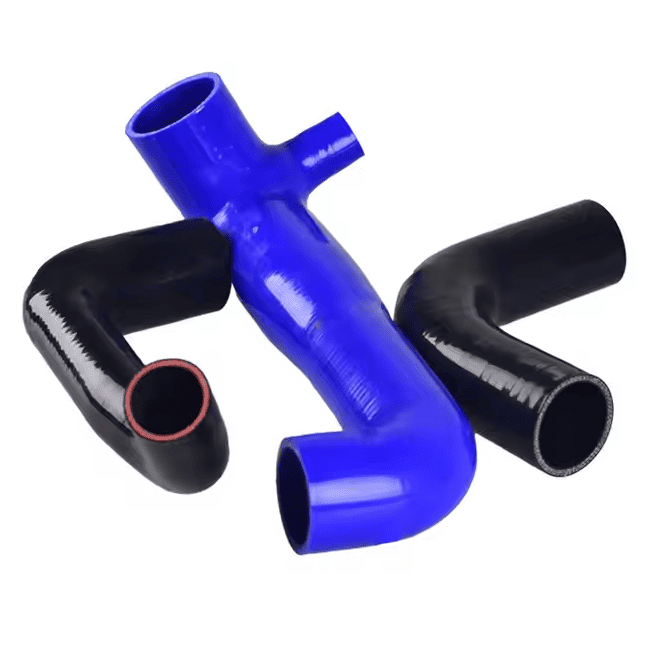
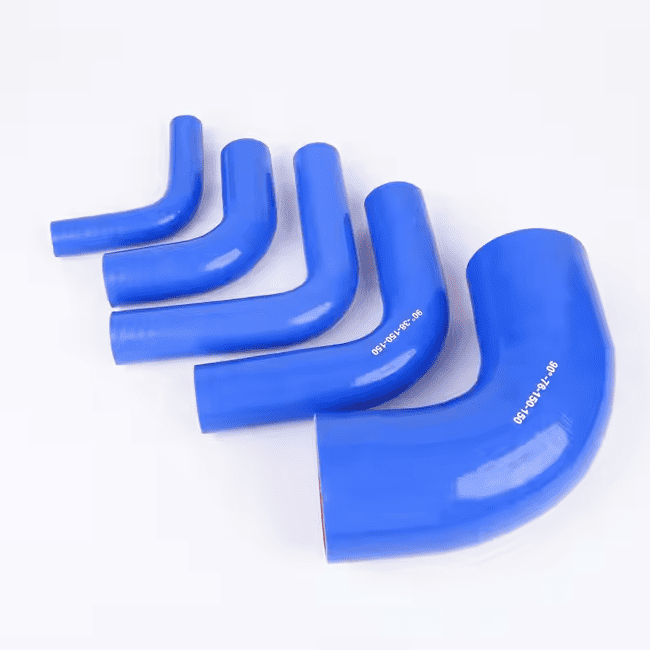
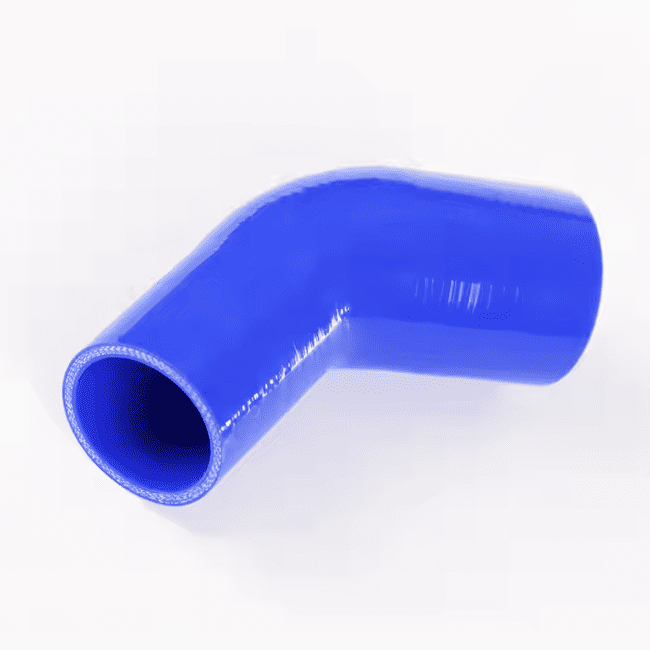
TYM provides custom silicone radiator hose manufacturing for automotive parts brands, performance vehicle suppliers, commercial vehicle manufacturers, and industrial equipment builders.
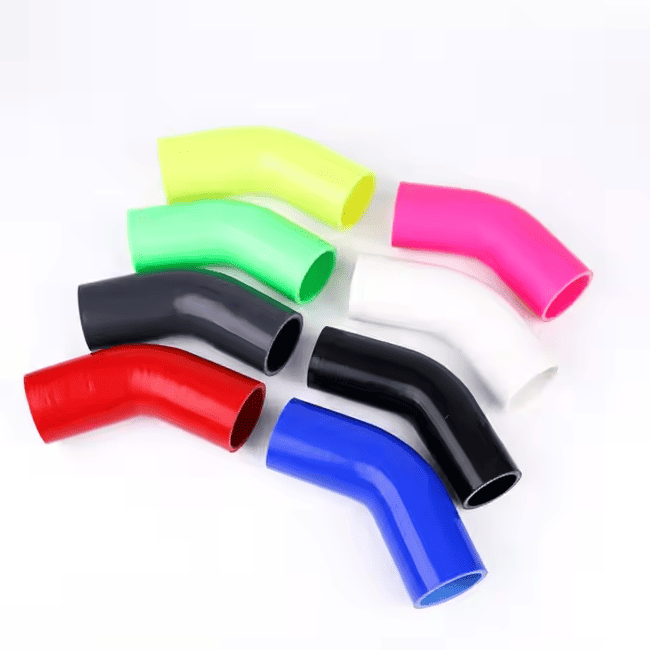
We manufacture reinforced silicone coolant hoses in customized diameters, lengths, bends, and configurations. From drawing review and mandrel development to silicone forming, fabric reinforcement, curing, inspection, and packaging, we support OEM projects from prototype development to repeat production.
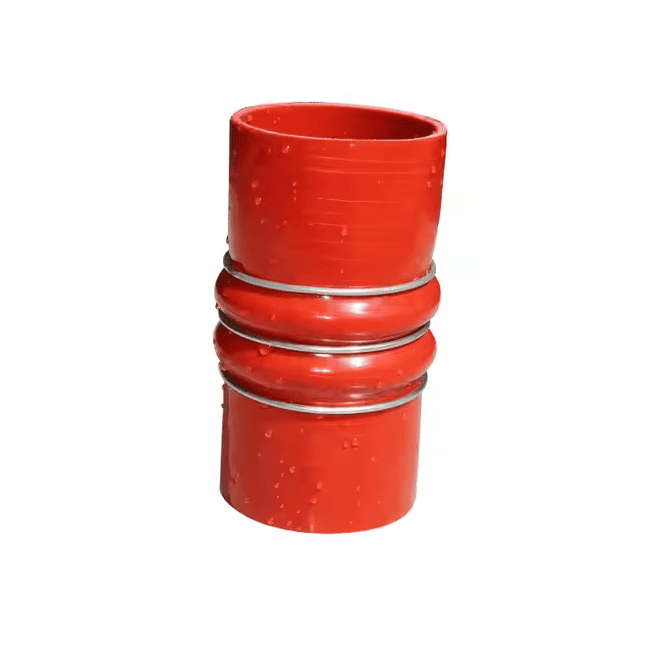
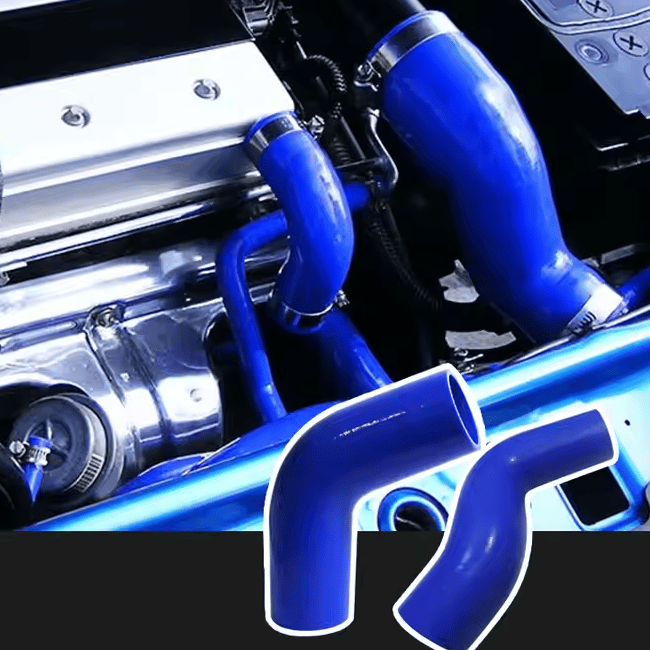
Whether you need straight radiator hoses, 90-degree elbows, reducer hoses, hump hoses, or complete silicone hose kits, TYM can evaluate your specifications and develop a suitable manufacturing solution.
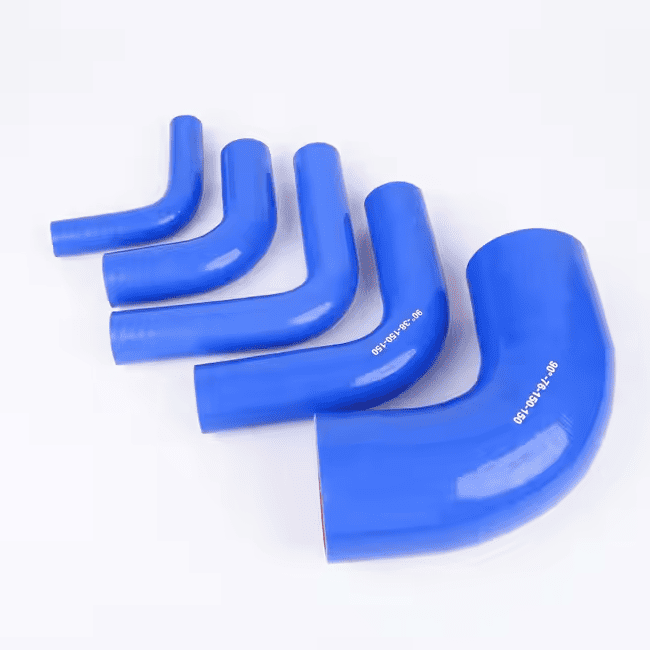
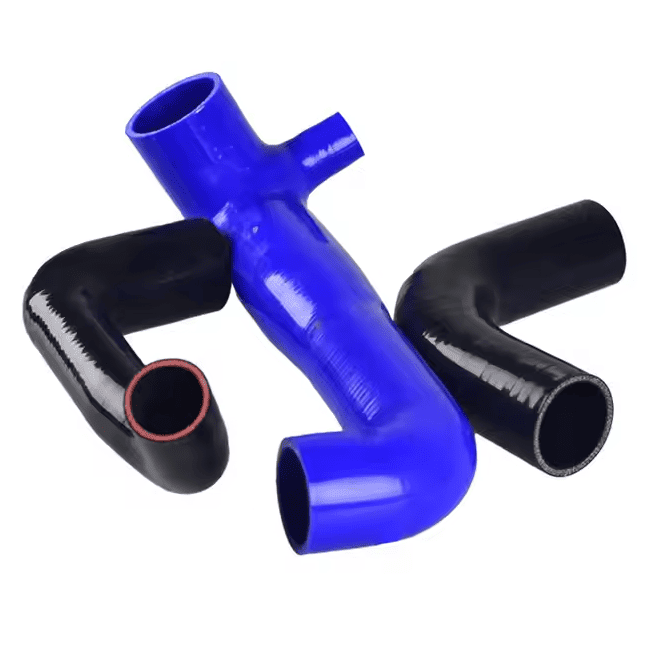
Material selection should consider coolant compatibility, operating temperature, pressure, flexibility, and expected service life.
| Material | Typical Temperature Capability | Ozone and Weather Resistance | Coolant Compatibility | Oil Resistance |
|---|---|---|---|---|
| Silicone (VMQ) | High; grade-dependent | Excellent | Generally suitable for specified coolant applications | Limited |
| FKM-lined silicone | Depends on the liner and construction | Excellent | Must be verified for the specified coolant | Improved for compatible oils and fluids |
| EPDM rubber | Moderate to high; compound-dependent | Very good | Excellent for many coolant applications | Poor |
| NBR rubber | Moderate; compound-dependent | Fair | Depends on the coolant formulation | Good for many petroleum-based oils |
The temperature capabilities and chemical resistance shown above are general material characteristics, not guaranteed finished-hose ratings. Actual performance depends on compound formulation, reinforcement, construction, curing, and test conditions.
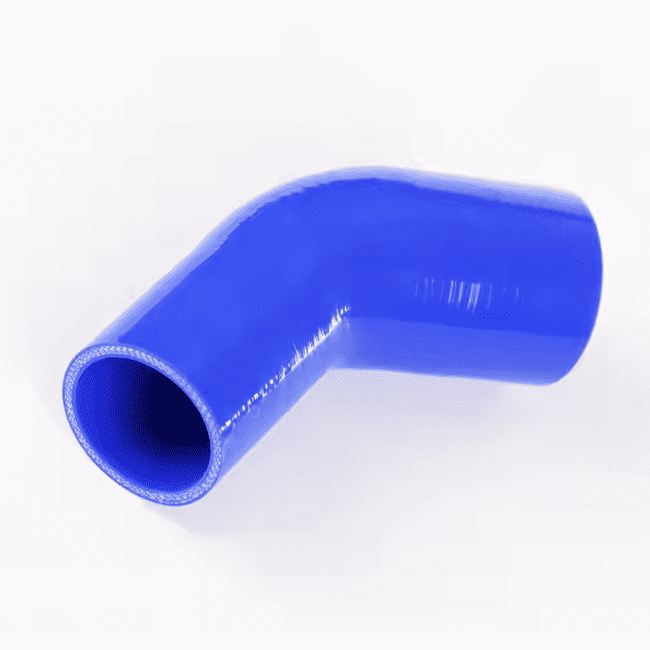
A reliable radiator hose depends on consistent wall construction, reinforcement placement, curing, and dimensional control. The following potential defects should be considered during product development and production.
Ply Separation
Poor bonding or inconsistent layer construction can lead to separation between silicone and reinforcement layers. Material compatibility, wrapping conditions, and curing parameters should be controlled.
Uneven Wall Thickness
Inconsistent silicone sheet thickness or wrapping tension can affect wall thickness and product dimensions. Material thickness and forming procedures should be checked during production.
Air Bubbles and Voids
Trapped air between layers may create internal defects. Controlled wrapping, layer consolidation, and suitable forming procedures help reduce this risk.
Kinks and Deformation at Tight Bends
Incorrect mandrel geometry or unsuitable bend radius can lead to deformation. The bend configuration should be reviewed against the installation requirements before tooling is finalized.
Dimensional Variation
Changes in mandrel dimensions, material thickness, or curing conditions can affect the final hose geometry. Critical dimensions should be checked against the approved drawing.
Color Inconsistency
Pigment dispersion and batch preparation can affect the final color. Color references and approved samples should be used as inspection standards.
Depending on the application, quality inspection may include:
Inner and outer diameter measurement.
Wall thickness and overall length inspection.
Bend angle and centerline radius verification.
Visual inspection for surface defects.
Pressure and leakage testing.
Dimensional checks after curing.
Fluid compatibility and aging tests, where required.