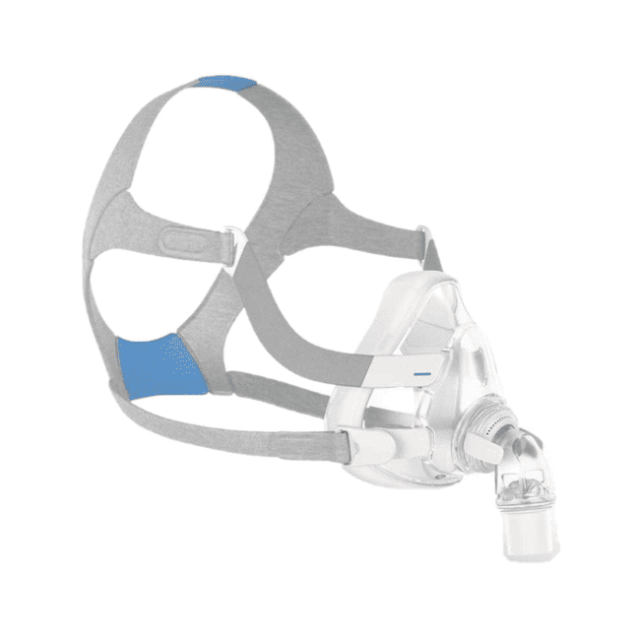
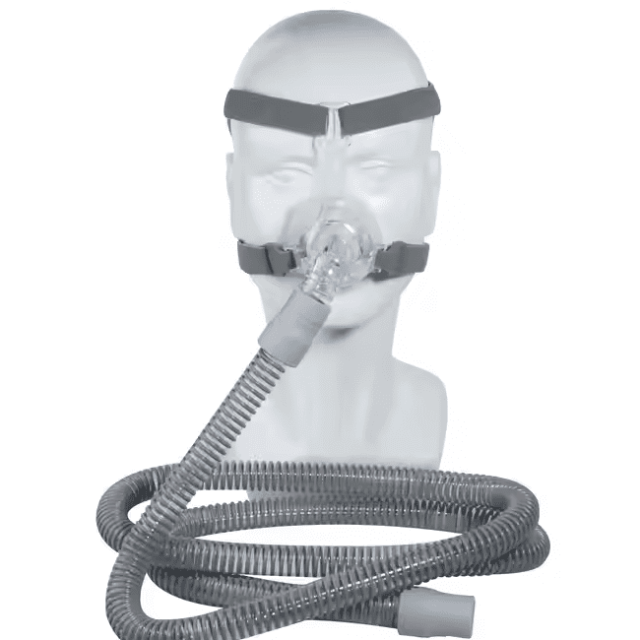
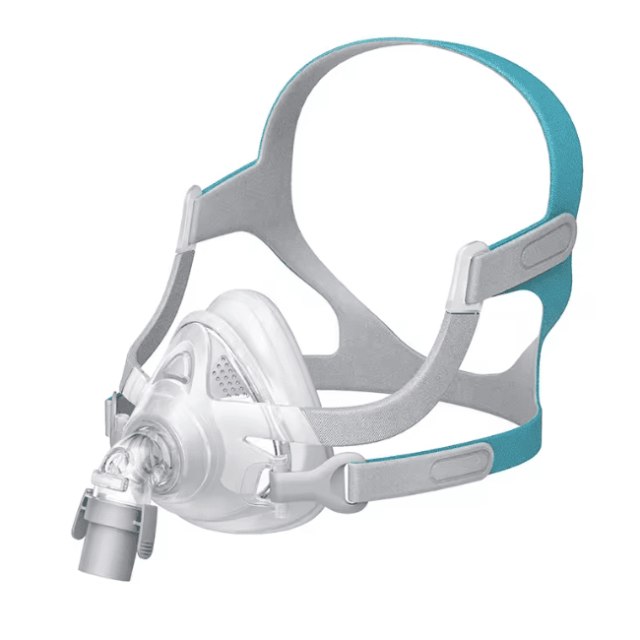
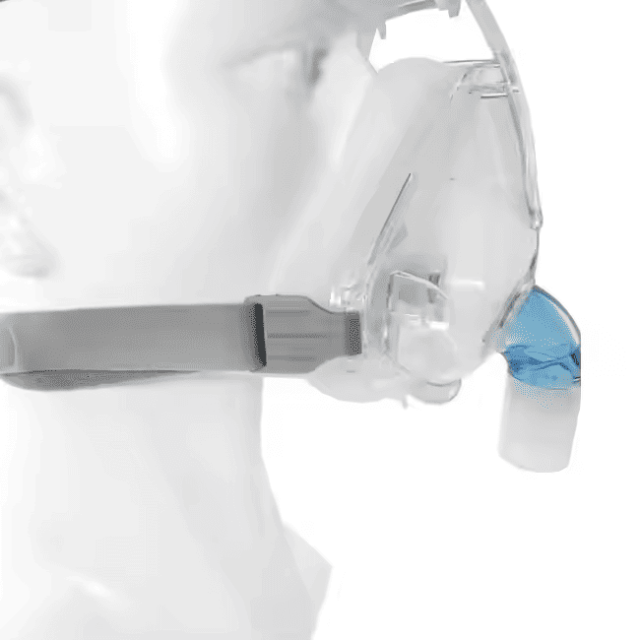
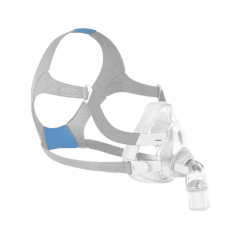
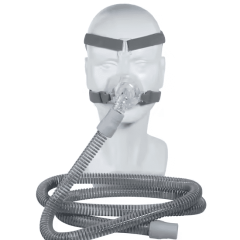
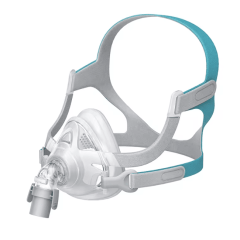
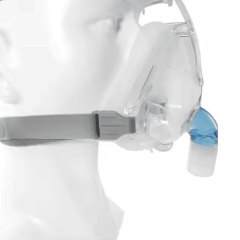
What Is a Custom Silicone CPAP Mask?
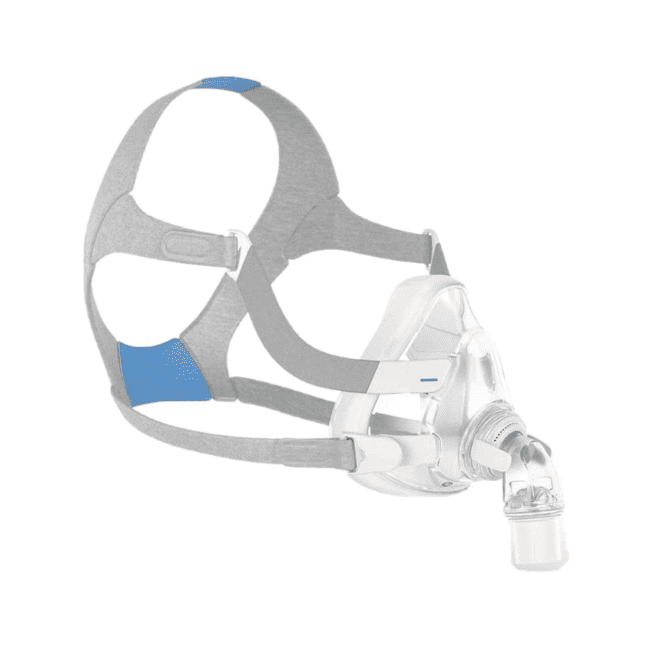
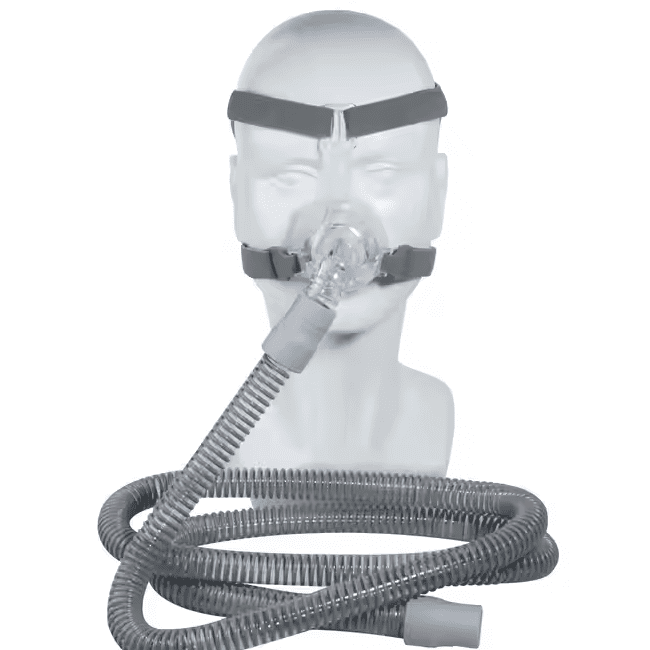
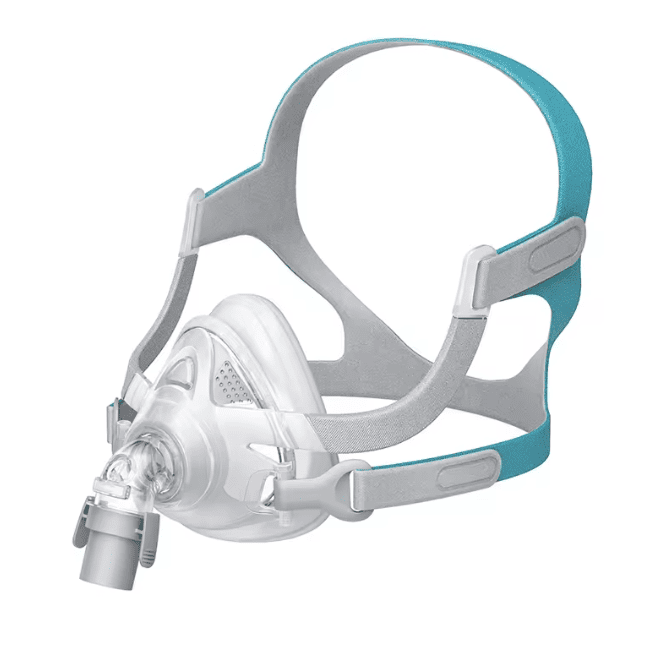
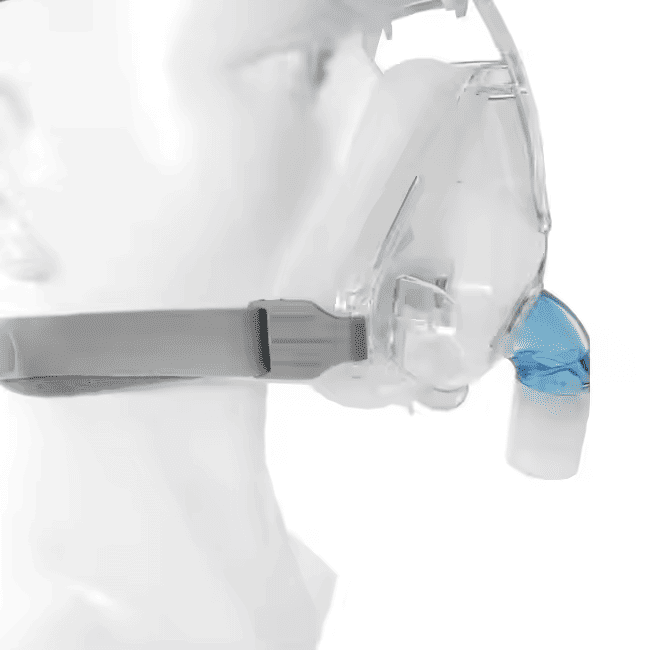
A silicone CPAP mask connects a CPAP machine to the user's nose or face. The cushion is the soft part that touches the skin. TYM molds silicone CPAP mask cushions and related parts from medical-grade liquid silicone rubber (LSR).
In the industry the part is called a mask cushion, mask seal or interface cushion. Types include full face cushions, nasal cushions and nasal pillows. Similar silicone cushions are used on non-invasive ventilation masks and anesthesia masks.
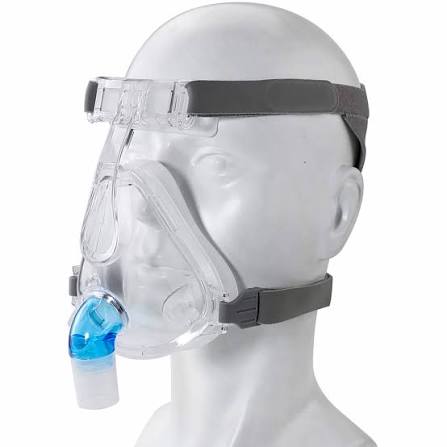
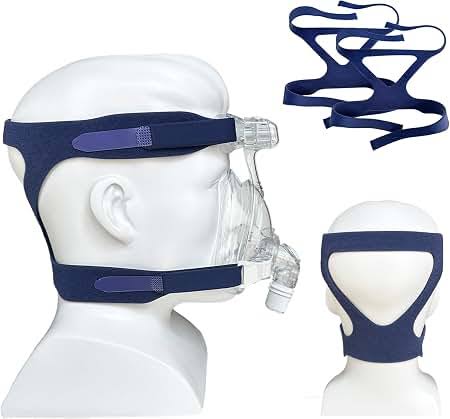
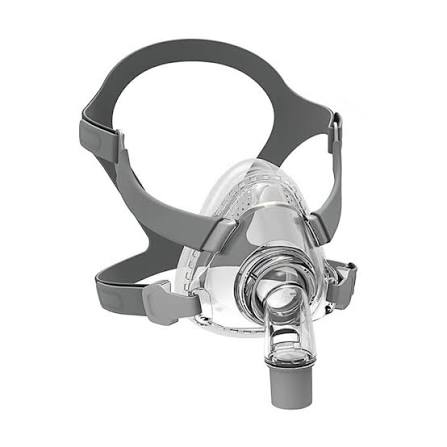
How a CPAP Mask Cushion Works
The CPAP machine sends air through a hose to the mask frame. The cushion sits between the frame and the face. Its thin outer lip rests lightly on the skin. Air pressure inside the mask pushes the lip gently against the face. This forms a seal without pressing hard. A thicker inner wall keeps the cushion's shape.
Where Silicone CPAP Mask Parts Are Used
- Full face masks — Silicone full face mask cushions that cover the nose and mouth.
- Nasal masks — Cushions that seal around the nose.
- Nasal pillow masks — Small soft pillows that sit at the nostrils.
- Ventilation masks — Cushions for non-invasive ventilation and anesthesia masks.
- Mask accessories — Silicone elbow seals, valves and headgear clips.
Material
Cushions are molded from medical-grade LSR. They are often overmolded onto a polycarbonate or polypropylene frame.
Cushion Materials Compared
| Material |
Skin contact feel |
Transparency |
Cleaning & aging |
Notes |
| Medical-grade LSR |
Soft, smooth |
Clear or tinted |
Excellent, daily washing |
Thin lips molded precisely |
| Solid silicone (HCR) |
Soft |
Translucent |
Excellent |
Harder to mold thin walls |
| TPE |
Soft |
Limited |
Fair, can lose shape |
Lower cost |
| Foam / fabric |
Very soft |
No |
Short life, replaced often |
Used on some disposable cushions |
Values are typical ranges. Actual performance depends on the compound grade.
What Is Medical-Grade LSR for a CPAP Mask Cushion?
Medical-grade LSR is liquid silicone tested for contact with the human body. It is platinum-cured and post-cured, so no curing by-products remain. Its raw material is tested for biocompatibility, for example to ISO 10993 or USP Class VI.
General-grade silicone is not tested this way. It should not be used for parts that touch skin for hours.
- Skin-friendly — Designed for long contact with skin.
- Thin, even walls — Low-viscosity LSR fills thin sealing lips that other materials struggle with.
- Clear options — Transparent LSR lets users see how the mask sits.
- Stable — No plasticizers, and it does not take on odors.
Molding Process and Production Flow
- LSR injection molding — For one-piece cushions and nasal pillows.
- Plastic + LSR overmolding — Silicone bonds to the PC or PP frame in one step.
- Two-color LSR molding — For cushions with a soft lip and a firmer support zone.
- Drawing review and mold design
- Mold making and mirror polishing
- LSR molding with precise shot control
- Robot take-out to protect thin walls
- Post-curing in an oven
- 100% visual inspection and sealed packing
Common Defects and How We Prevent Them
- Short shots on thin lips — Balanced runners and precise shot control fill every edge.
- Flash at the sealing edge — Needle-valve molds keep the skin-contact edge smooth.
- Bubbles and voids — Vacuum venting removes trapped air before curing.
- Tearing during demolding — Polished cores and careful ejection protect thin walls.
Care and Environments to Avoid
- Daily cleaning — Wash with mild soap and warm water, then air dry.
- Avoid harsh cleaners — Alcohol, bleach and scented oils can damage the silicone.
- Avoid direct sunlight — Dry and store the cushion out of strong sun.
- Replace on schedule — Follow the device maker's replacement interval.
Limitations to Consider
- Wears over time — Skin oils slowly soften the lip, so cushions are replaced regularly.
- Can feel warm — Silicone breathes less than fabric cushions.
- Higher tooling cost — Thin-wall medical molds need high-precision steel and polishing.
Standards for CPAP Mask Parts
Mask makers usually ask their silicone supplier for these:
- Biocompatibility — Material test reports to ISO 10993 or USP Class VI.
- Mask performance — ISO 17510 covers masks for sleep apnea breathing therapy.
- Device registration — FDA 510(k) or EU MDR registration stays with the mask maker.
We can send parts to a third-party lab for the tests you need.
OEM & Custom LSR Silicone CPAP Masks
TYM molds LSR cushions and seals for respiratory device brands and mask makers. You keep the design and the product registration. We build the mold and mold the silicone parts.
What We Need for a Quote
- 3D or 2D drawing — STEP, IGS, STP or PDF files with key dimensions.
- Or a physical sample — We measure it and make a drawing for your approval.
- Material and color — Food-grade, medical-grade or general grade, plus Pantone color.
- Annual quantity — This helps us choose the right number of mold cavities.
- Material grade — Tell us the medical-grade or biocompatibility level you need.
Why Choose TYM to Make Your Silicone CPAP Masks
- 20+ years in LSR — We have molded liquid silicone parts since 2002.
- Two factories, 33,350 m² — Production sites in Guangzhou and Zhaoqing, Guangdong.
- 20+ precision LSR lines — Horizontal, vertical and two-color machines with robot take-out.
- We build our own equipment — LSR injection machines and servo feeding systems are made in-house.
- One-stop service — Mold design, mold making, mold polishing, molding and packing under one roof.
- Export experience — We supply OEM brands and factories in Europe, Japan and North America.
- ISO 9001 certified — Every order follows a documented quality system with inspection records.
Since 2002 · 33,350 m² factory · 20+ LSR lines · ISO 9001
FAQ
Do you make the whole mask or only the silicone parts?
We focus on the silicone parts, mainly cushions and seals.
Can silicone be overmolded on our plastic frame?
Yes. Send your frame drawing and we will check the bonding design.
Can you make it to my drawing or sample?
Yes. Send a 3D/2D drawing or a physical sample and we will check moldability and quote within 48 hours.
Do I own the mold?
Yes. The mold is paid once, belongs to you and stays in our factory for repeat orders.
Can I get samples before mass production?
Yes. We send T1 samples with a dimension report for your approval before production starts.