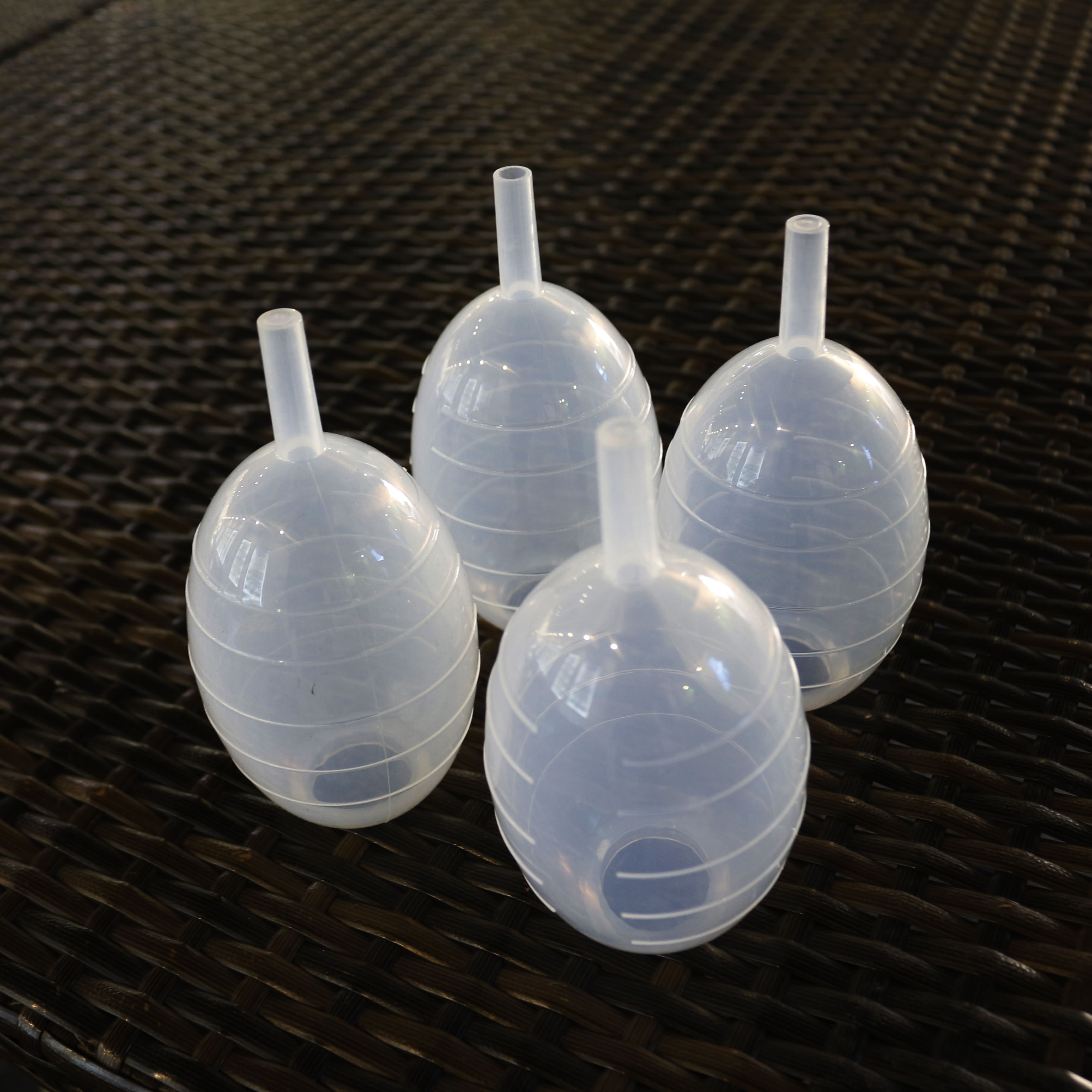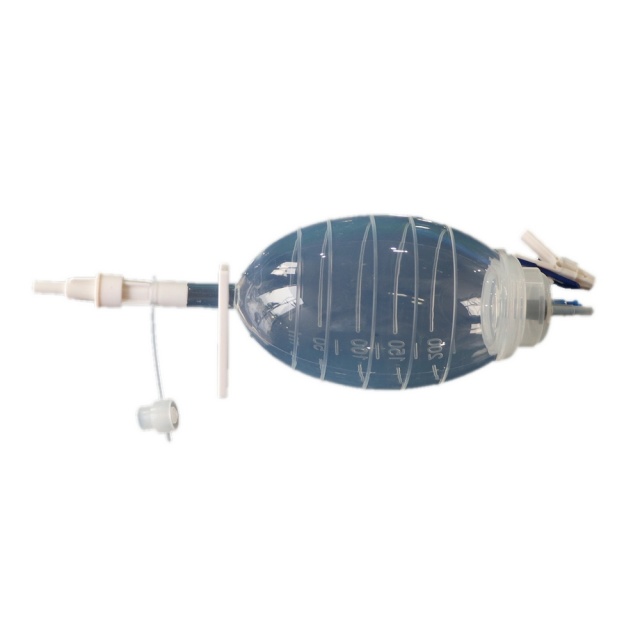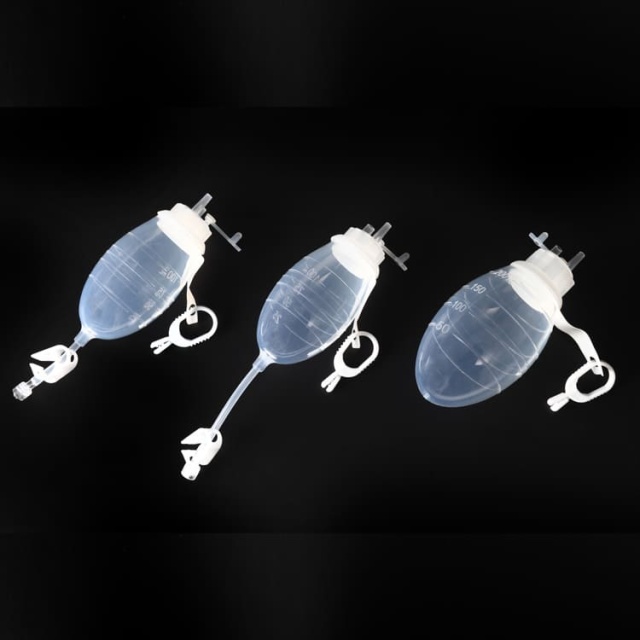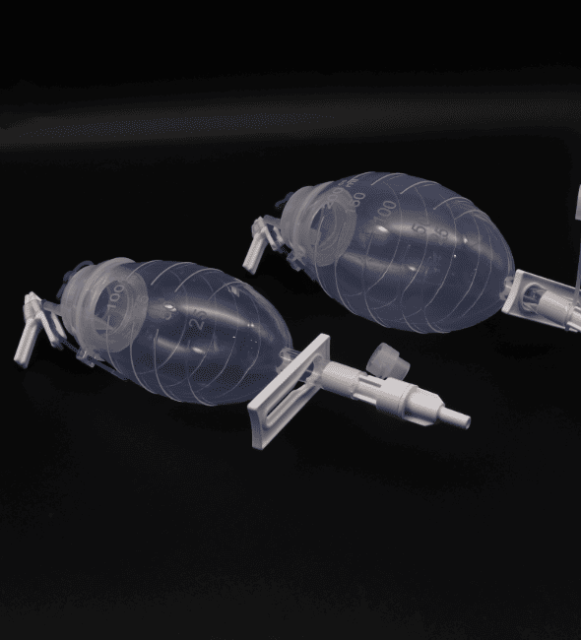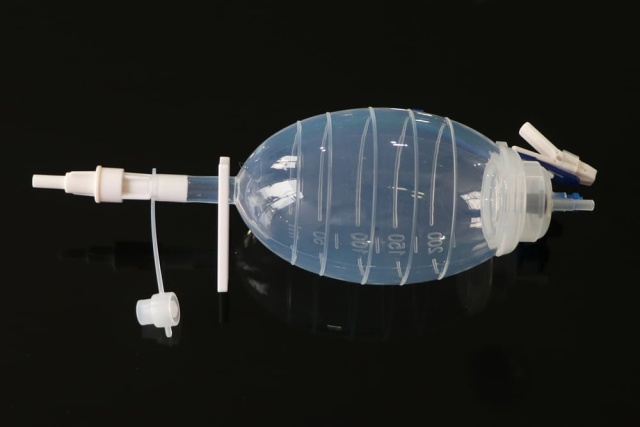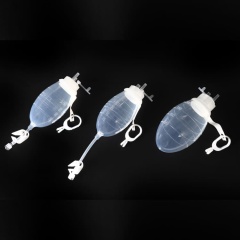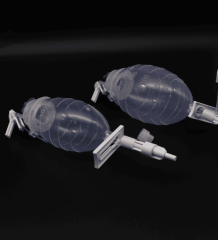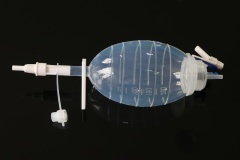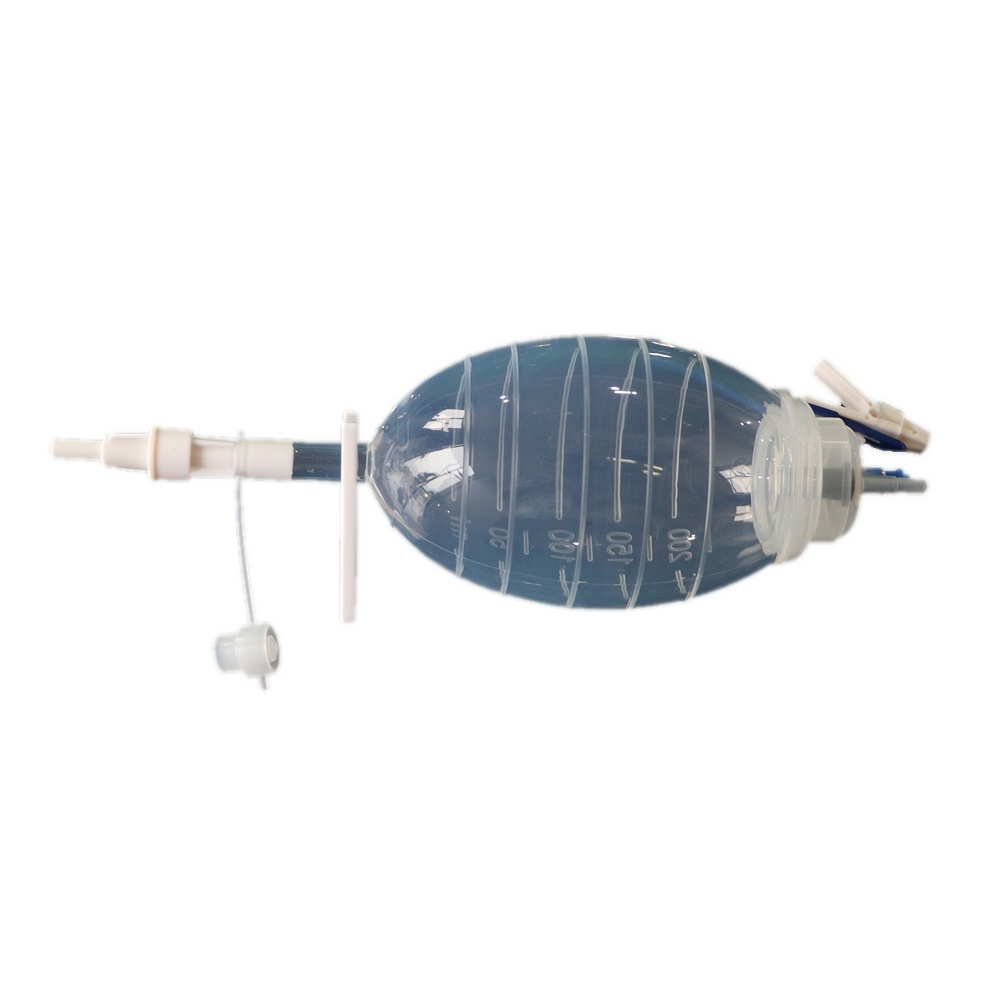
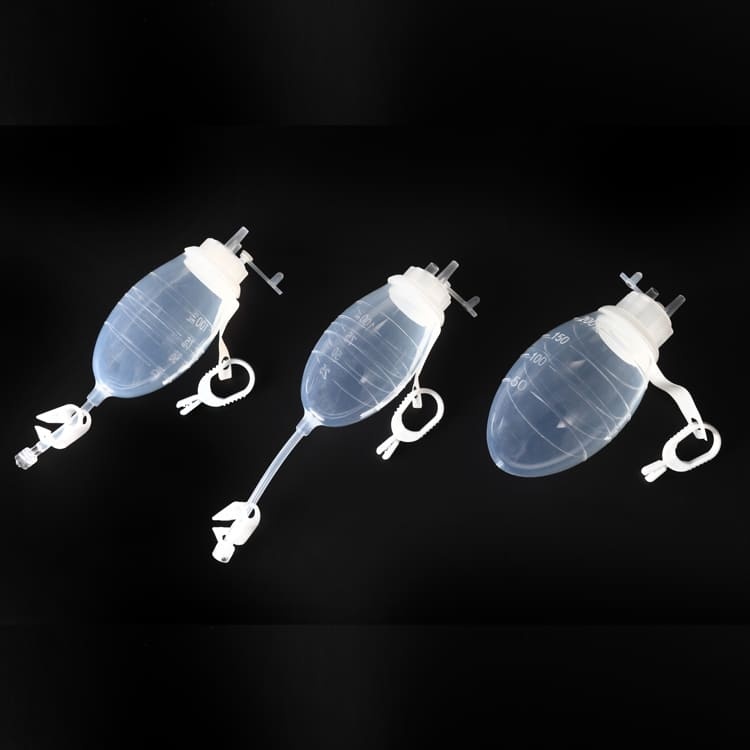
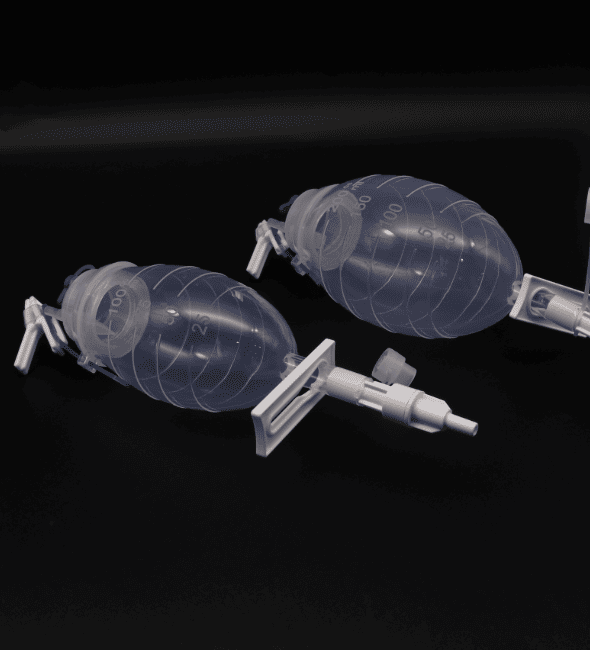
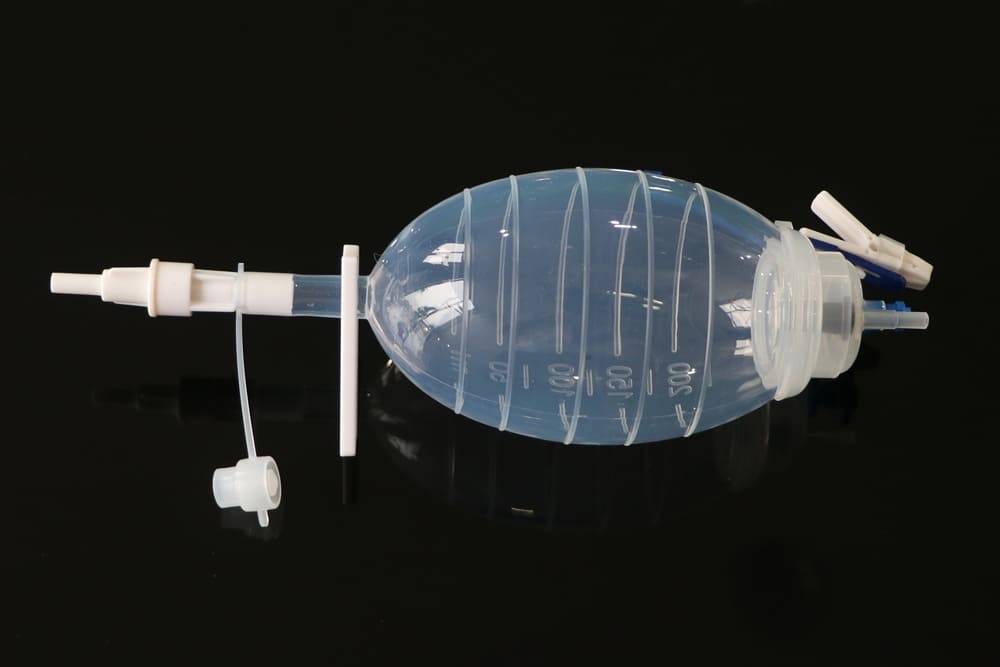
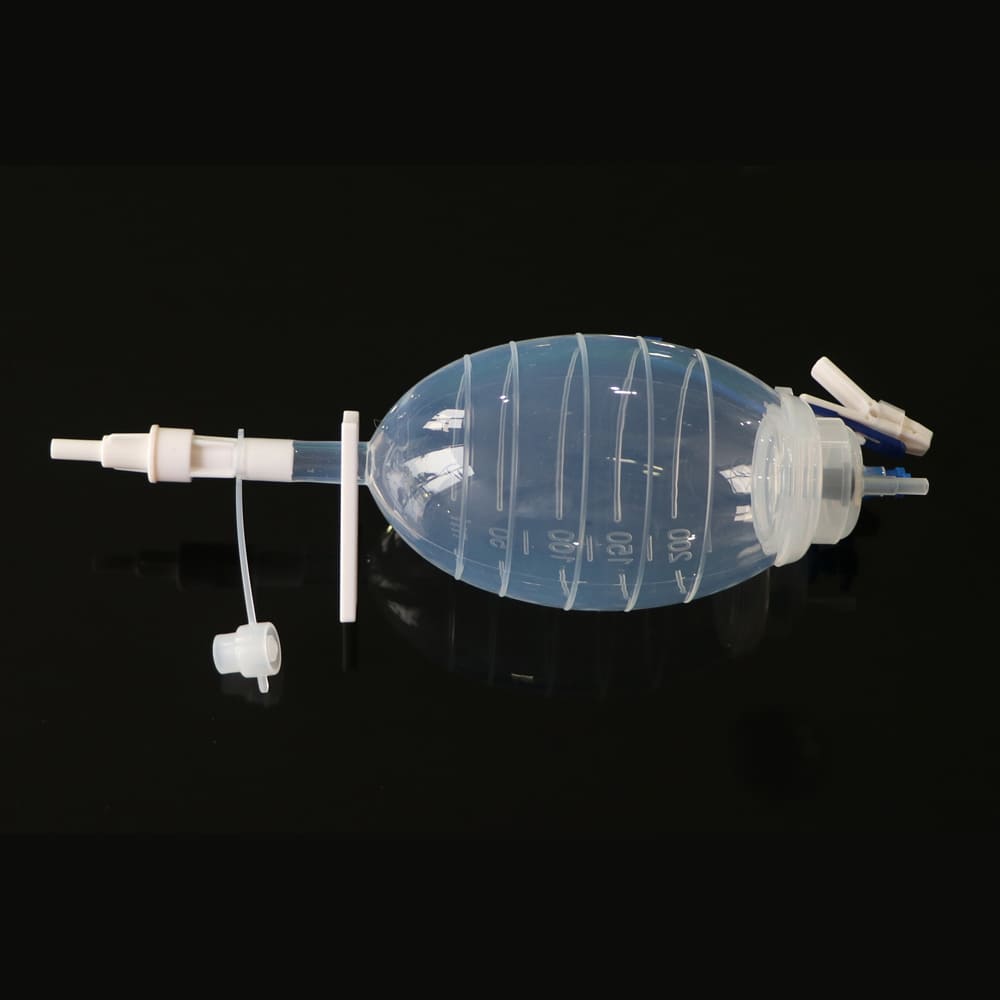
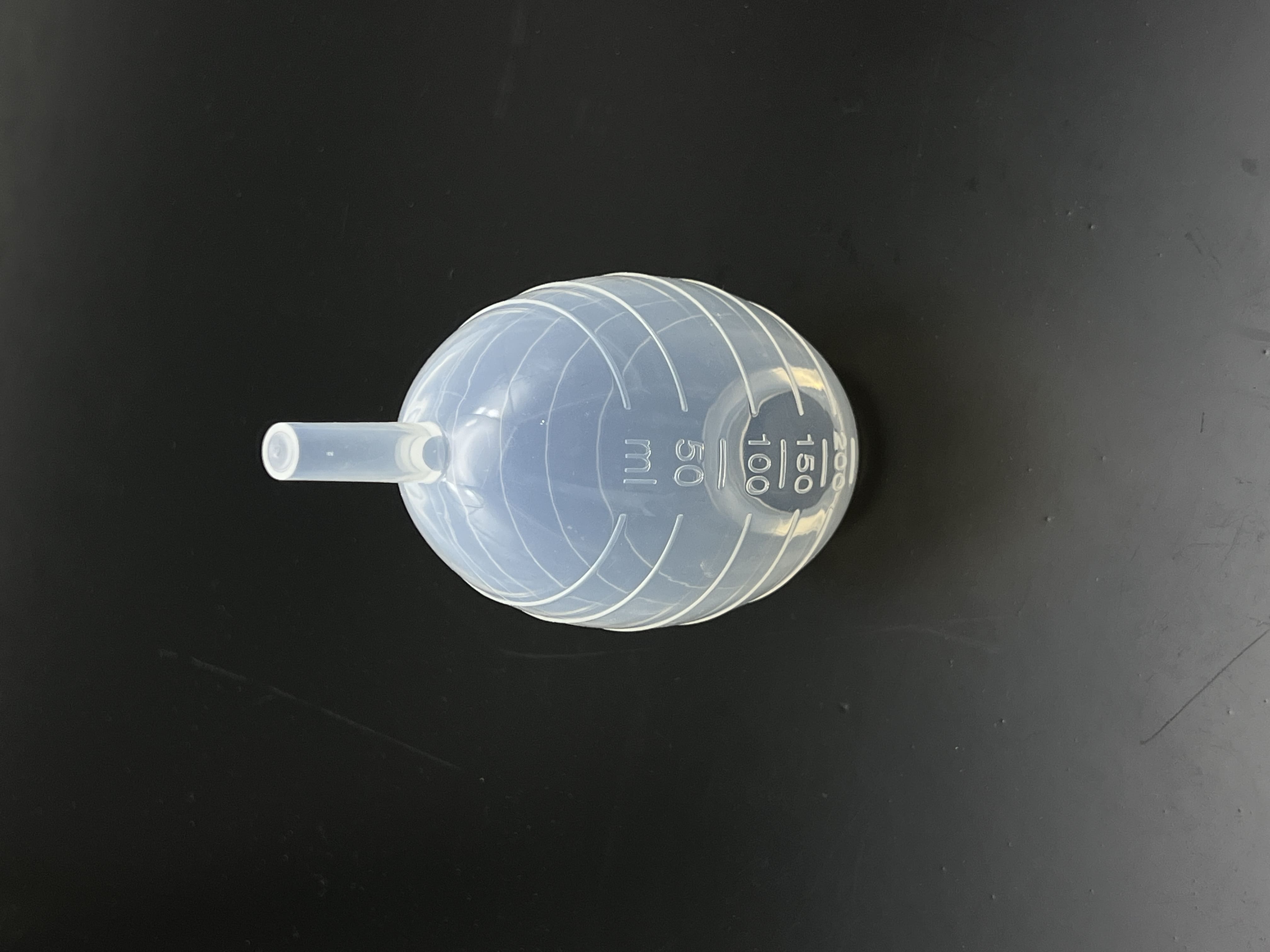
TYM specializes in custom silicone suction bulb manufacturing for medical device companies, healthcare product brands, and OEM manufacturers. Using liquid silicone rubber (LSR) injection molding, we produce customized drainage bulbs and suction reservoirs based on customer drawings, material specifications, and functional requirements.
From silicone material selection and precision mold development to prototype sampling, mass production, and packaging, TYM provides integrated OEM manufacturing support for custom silicone drainage components.
OEM Capabilities:
Custom sizes, shapes, wall thicknesses, and connection designs
Medical-grade LSR material options
In-house precision mold design and manufacturing
Prototype development and mass production
Dimensional inspection and quality control
Customized packaging and OEM labeling
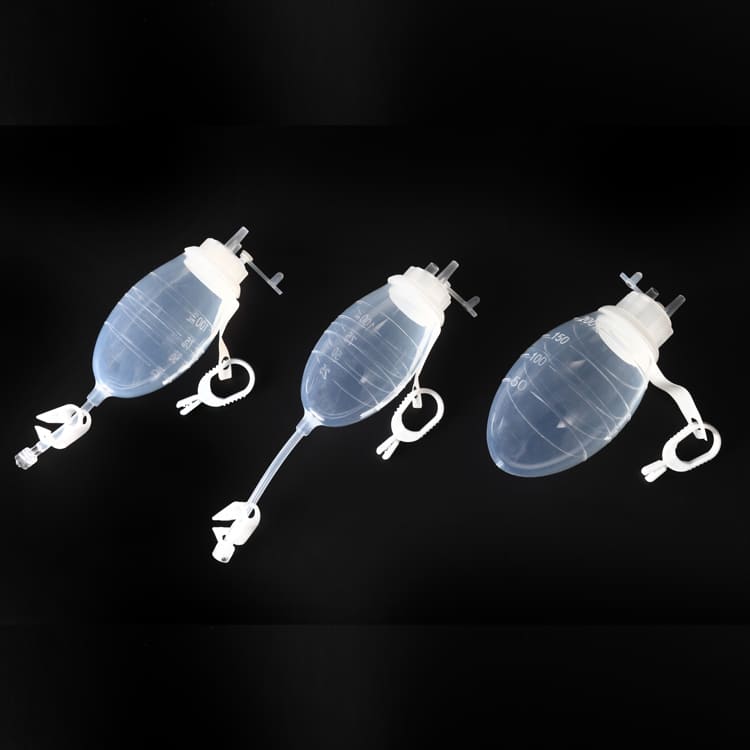
TYM follows a coordinated development and manufacturing workflow to support custom silicone component projects.
Inquiry & Drawing Review – Review product drawings, samples, material requirements, and target quantities.
DFM & Engineering Evaluation – Evaluate product geometry, wall thickness, mold structure, and manufacturing feasibility.
Material Selection – Identify suitable silicone grades according to functional and regulatory requirements.
Mold Design & Manufacturing – Develop precision molds based on approved product specifications.
Prototype & Sampling – Produce initial samples for dimensional and functional evaluation.
Sample Approval – Confirm product specifications and agreed acceptance criteria.
Mass Production – Manufacture approved products using controlled LSR molding processes.
Inspection & Delivery – Complete final inspection, packaging, and shipment preparation.
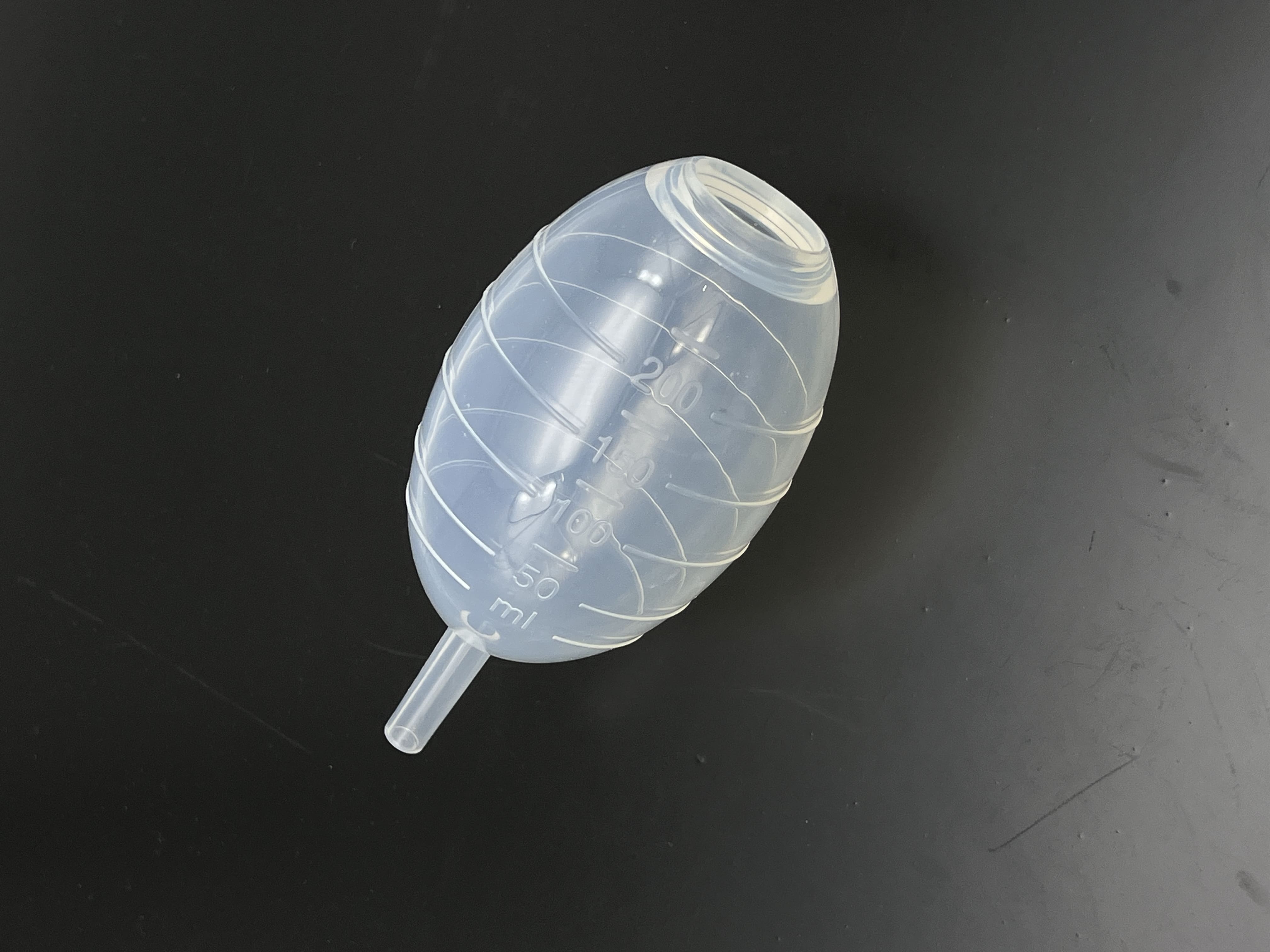
For OEM medical component manufacturing, material suitability and consistent product quality are essential.
TYM applies documented quality management procedures throughout the manufacturing process, with inspection requirements defined according to customer drawings and agreed specifications.
Our quality control activities may include:
Incoming inspection of silicone raw materials.
Mold and tooling inspection.
First article inspection.
In-process dimensional and visual checks.
Finished product inspection.
Batch identification and production documentation.
Depending on the intended application and target market, OEM customers may require different material evaluations and compliance documentation.
Common requirements include:
ISO 9001: Biological evaluation of medical device materials, with applicable tests selected according to the nature and duration of body contact.
USP Class VI: A biological reactivity classification that may be requested for specific silicone materials.
ISO 13485: Medical device quality management system requirements relevant to medical device manufacturers and their supply chains.
The specific requirements depend on the finished device, material formulation, intended use, and regulatory classification. Product-level FDA clearance, registration, or CE conformity should not be inferred from raw material documentation or component manufacturing alone.
TYM can work with customers to review applicable material and quality requirements during project evaluation.