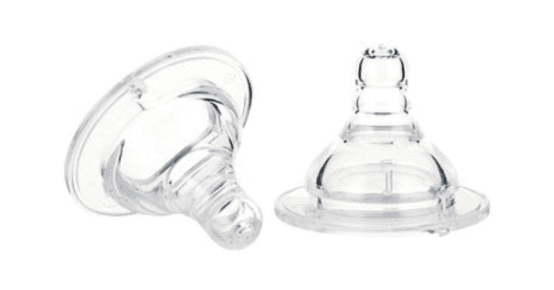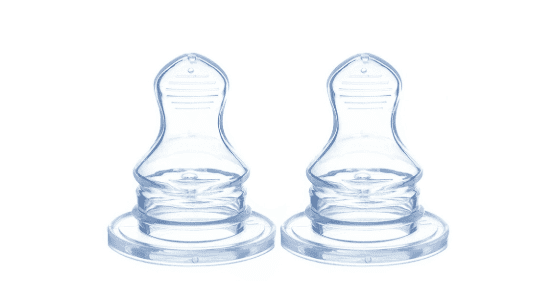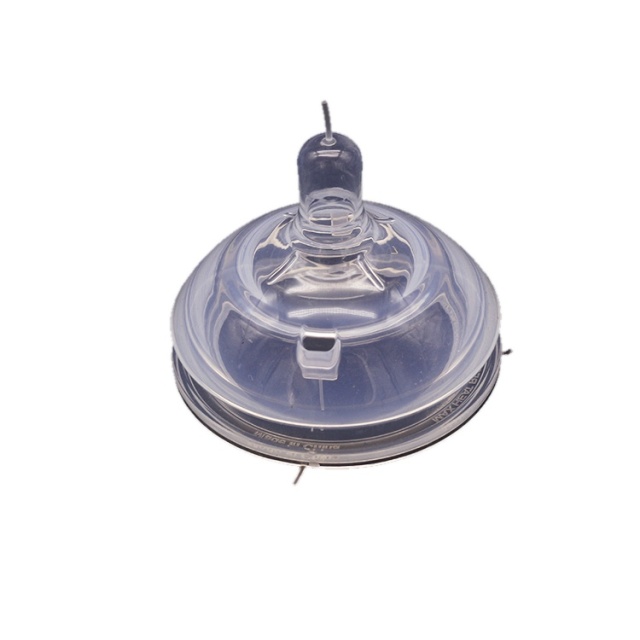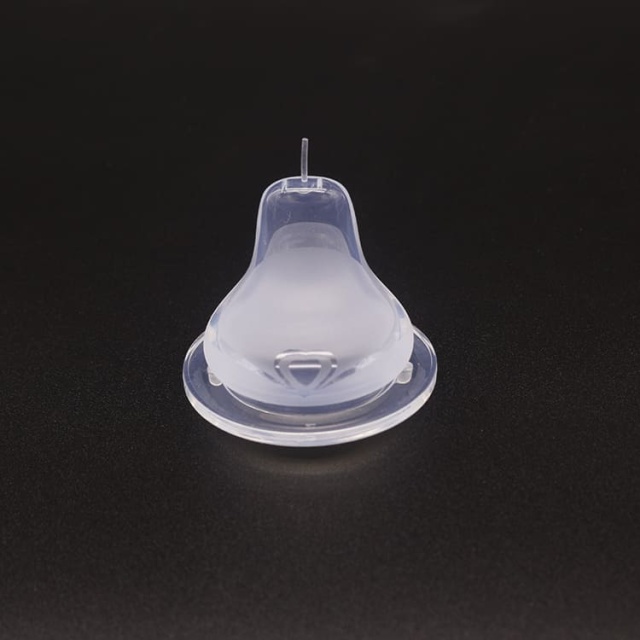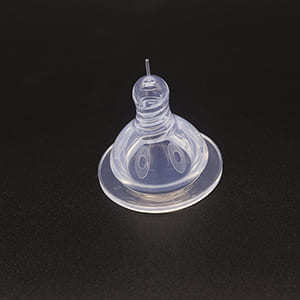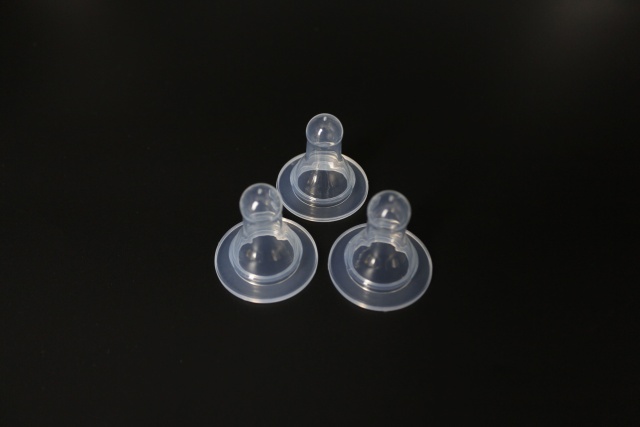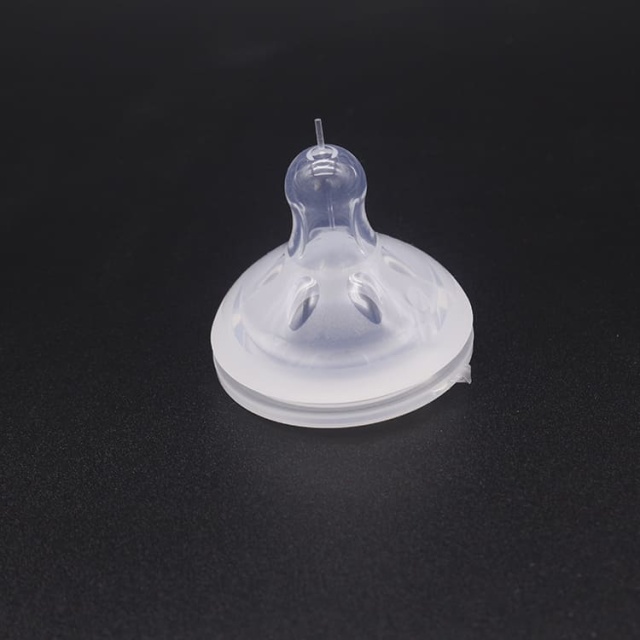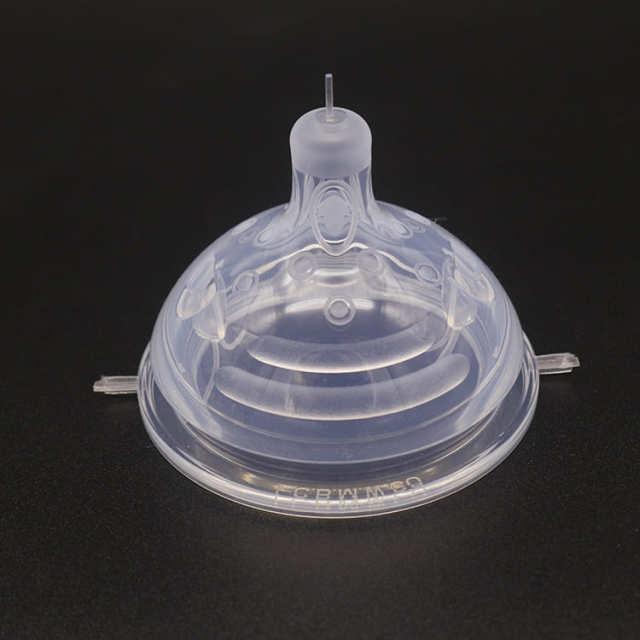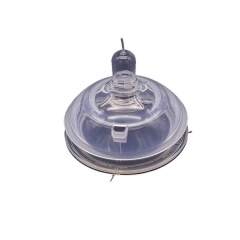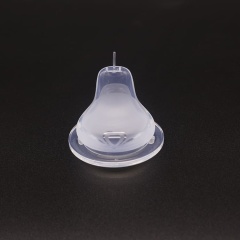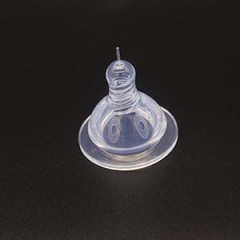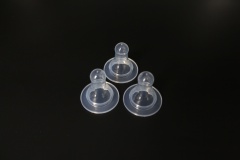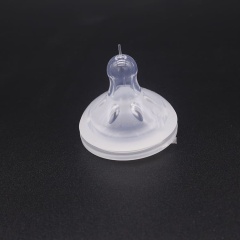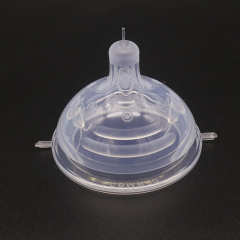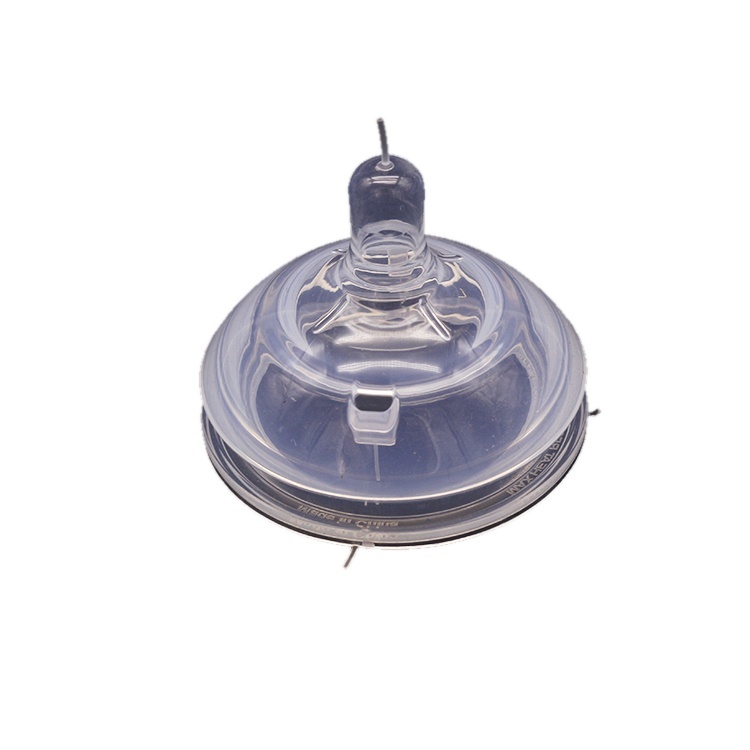
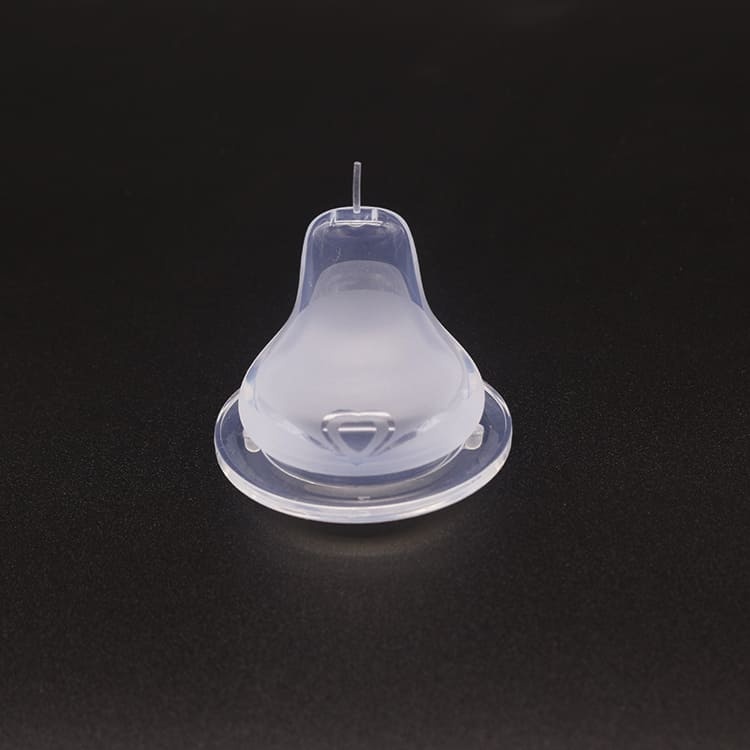
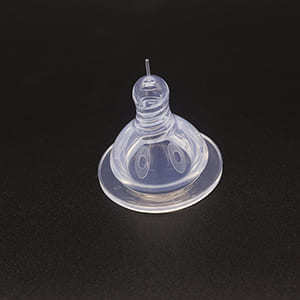
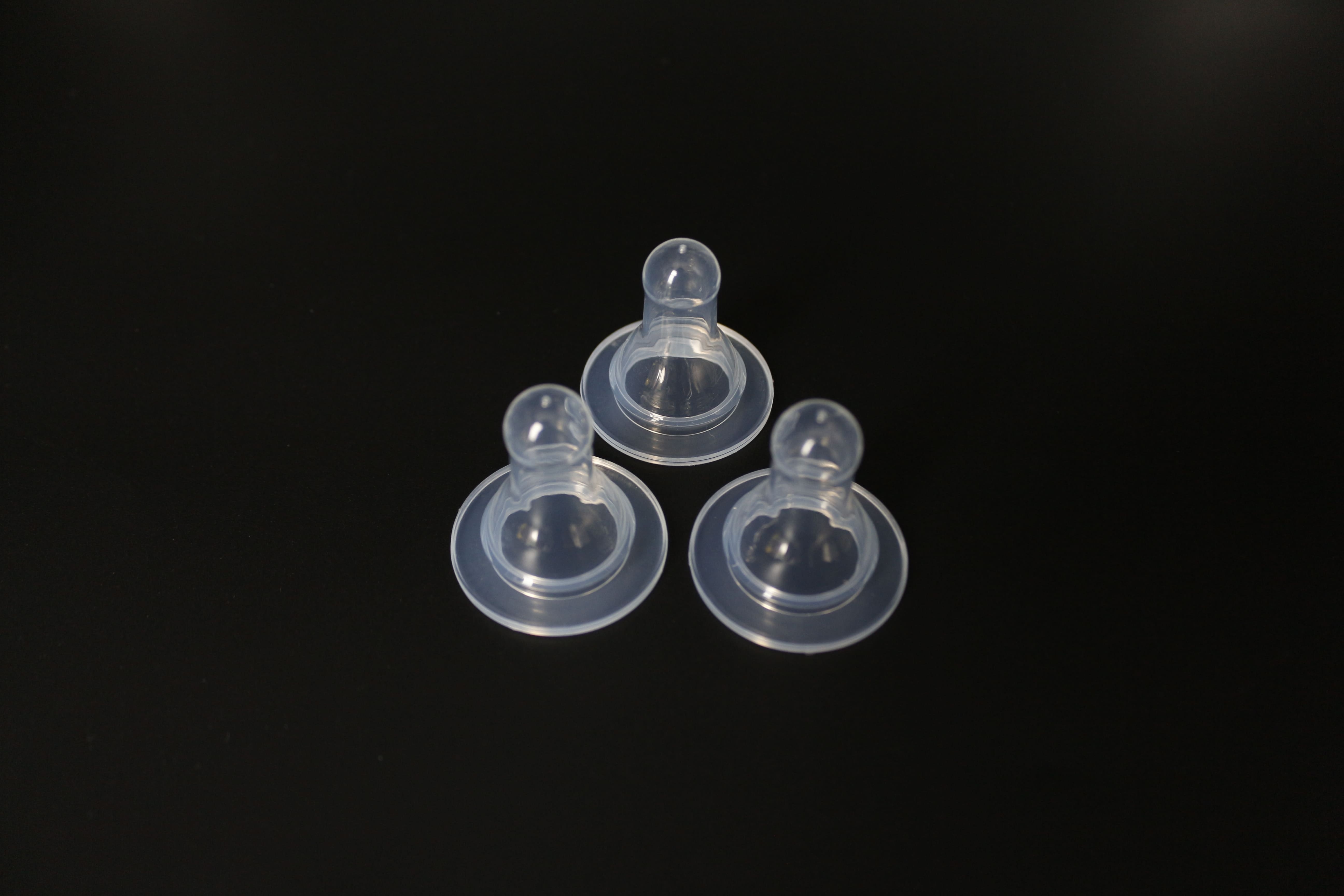
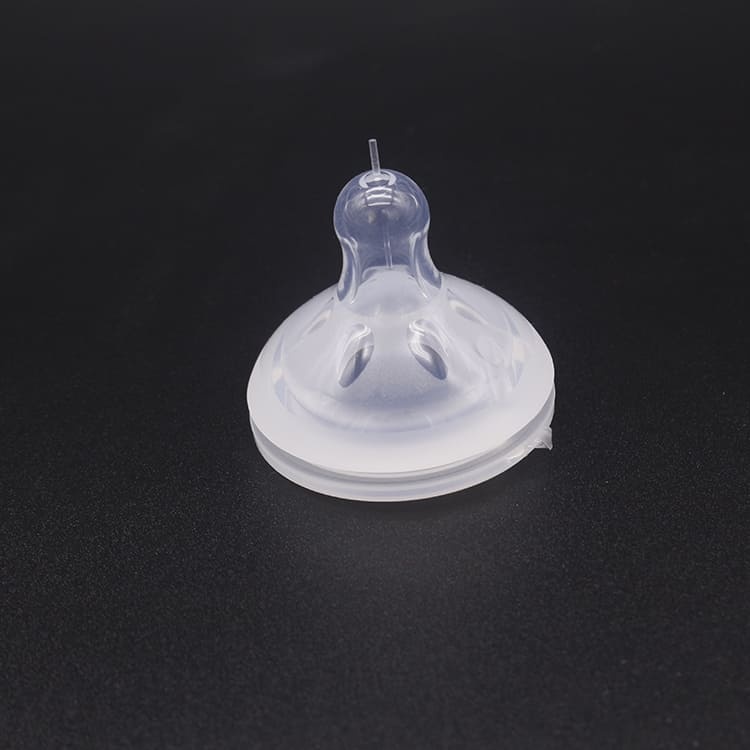
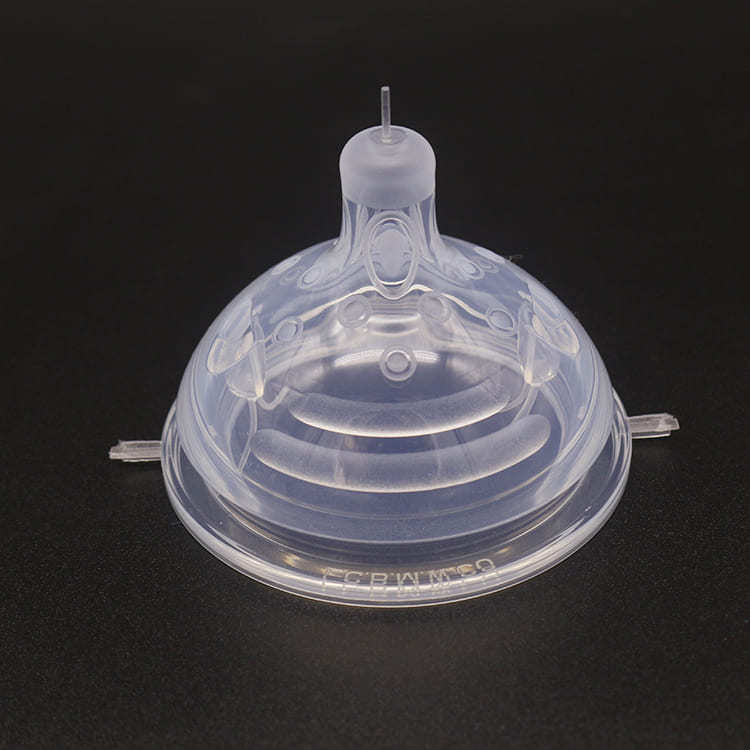
Consistent feeding performance depends on material selection, mold precision, product geometry, and process control. TYM combines in-house tooling capabilities with LSR injection molding to support custom baby bottle nipple manufacturing.
Material selection is one of the most important considerations for baby feeding products.
TYM supports the evaluation of suitable silicone materials according to the intended application, target market, and customer requirements.
Key material considerations include:
Food-contact suitability and relevant compliance documentation.
Silicone hardness and flexibility.
Transparency, color consistency, and odor characteristics.
Tensile strength and tear resistance.
Elastic recovery and repeated-use performance.
Applicable migration and material safety testing.
Customers can specify preferred silicone manufacturers or material grades. Material documentation and relevant test reports can be reviewed during project evaluation.
The nipple opening is a critical functional feature that affects liquid delivery.
Different feeding products may require different hole sizes, opening geometries, and flow characteristics. Depending on the product design, flow openings can be formed during molding or processed after molding.
Our project evaluation can consider:
Number and geometry of flow openings.
Opening dimensions and dimensional consistency.
Specified flow-rate requirements.
Functional testing under agreed conditions.
Compatibility with the complete bottle and feeding assembly.
Flow-rate acceptance criteria should be established by the customer according to the intended feeding design and applicable product standards.
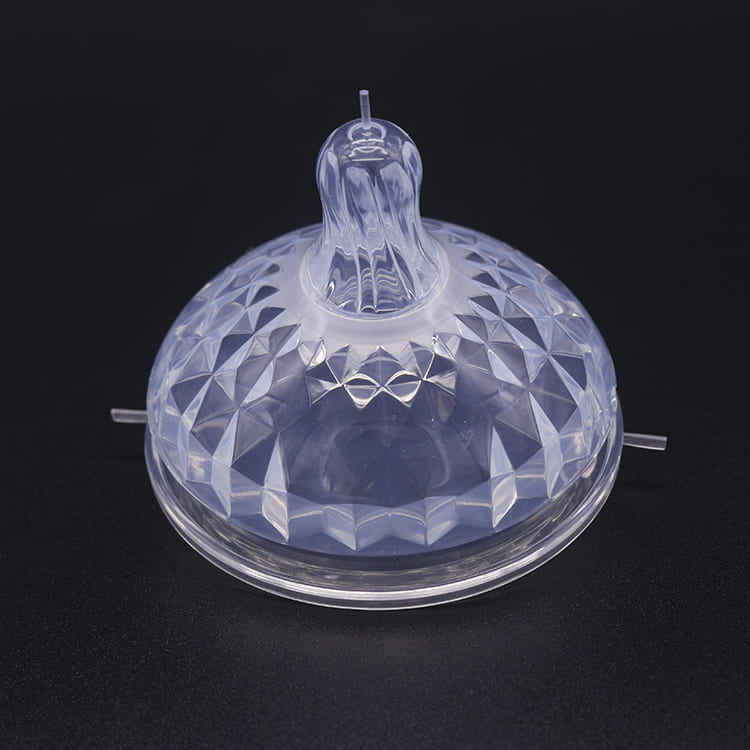
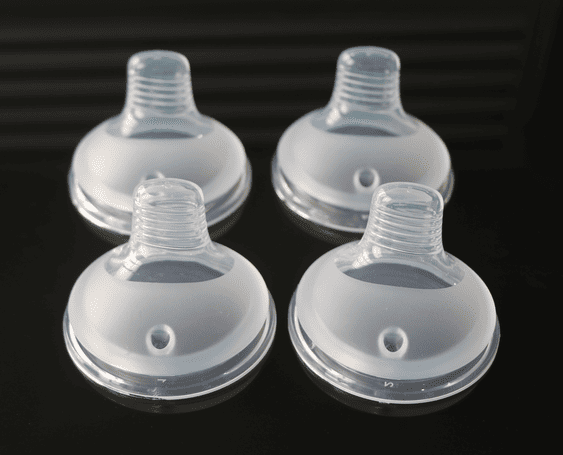
Flash Around the Nipple Tip
Optimized mold design, precise cavity alignment, and suitable gating configurations help minimize excess material around critical feeding areas.
Uneven Wall Thickness
Precision mold machining, appropriate product design, and controlled molding parameters help maintain consistent wall thickness.
Air Bubbles & Incomplete Filling
Mold venting, material preparation, and optimized injection conditions help reduce trapped air and incomplete molding.
Inconsistent Flow Rate
Control of opening dimensions and functional verification against agreed flow specifications help maintain consistent liquid delivery.
Surface Contamination & Defects
Controlled material handling, clean production practices, and visual inspection help reduce contamination and appearance issues.
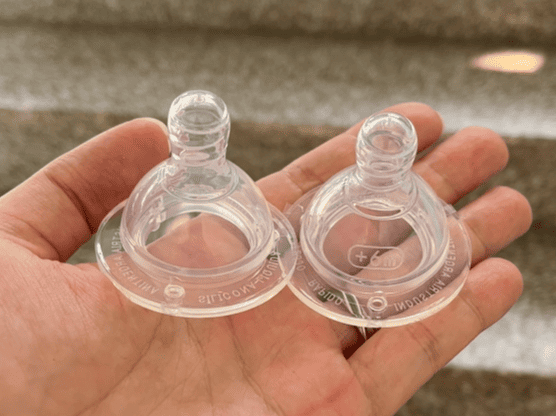
Selecting a reliable OEM supplier requires more than comparing product prices. Customers need a manufacturing partner capable of coordinating materials, tooling, molding processes, quality control, and long-term supply.
20+ Years of LSR Manufacturing Experience
Since 2002, TYM has developed experience in liquid silicone rubber processing and customized silicone component manufacturing.
Integrated Mold & Molding Capabilities
We provide in-house mold design, precision machining, mold polishing, LSR injection molding, and product manufacturing support.
In-House Equipment Development
TYM develops and manufactures its own LSR injection molding machines and servo feeding systems, strengthening our understanding of silicone processing and molding technology.
OEM Product Development Support
From drawing evaluation and DFM to mold development, sampling, flow verification, and mass production, we support customers throughout the manufacturing process.
Documented Quality Management
Our ISO 9001-certified quality management system supports documented manufacturing and inspection procedures. Project-specific food-contact and product safety requirements can be evaluated according to customer specifications.