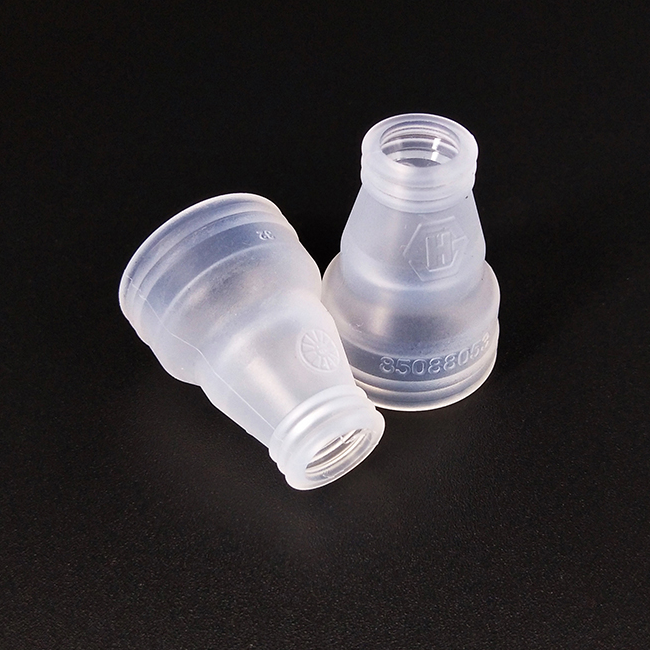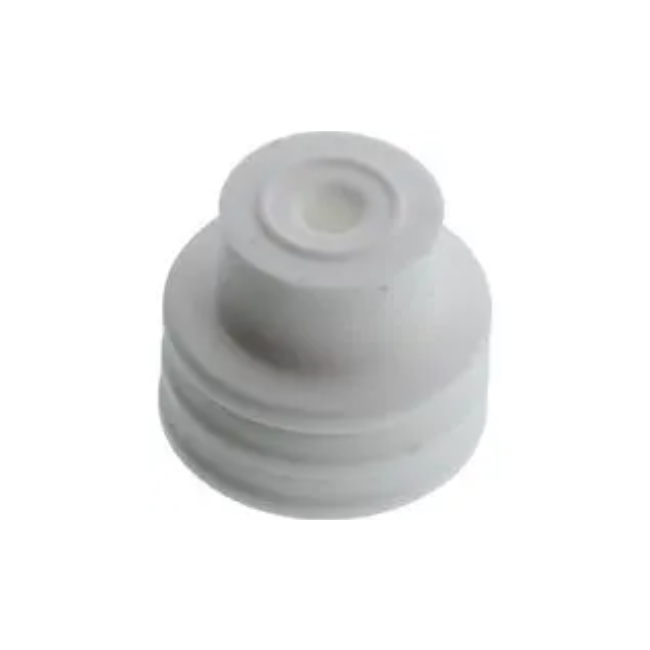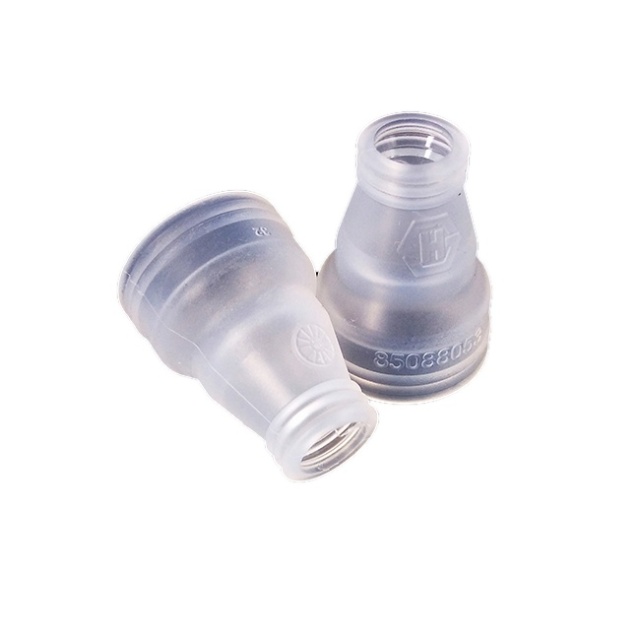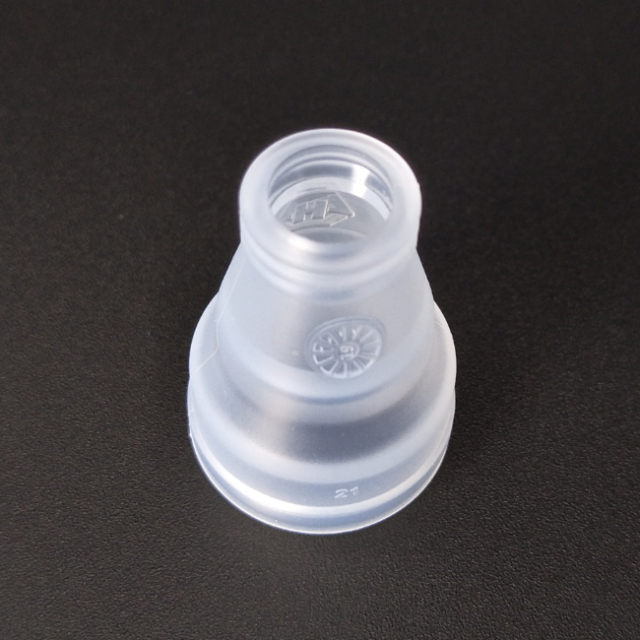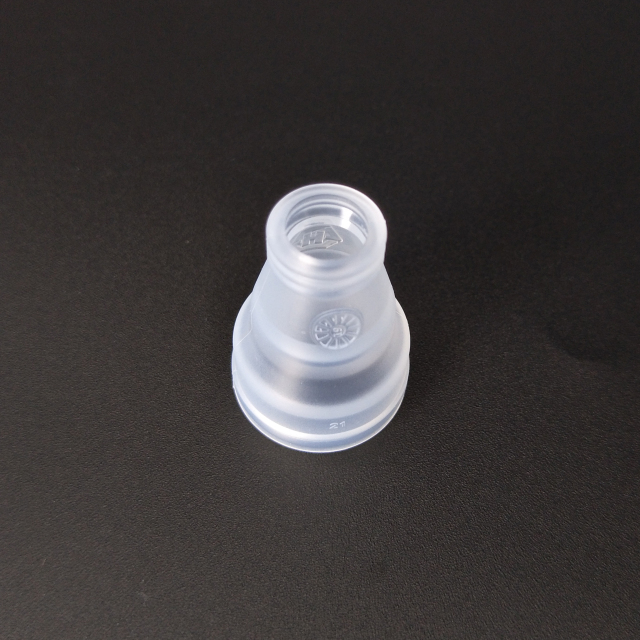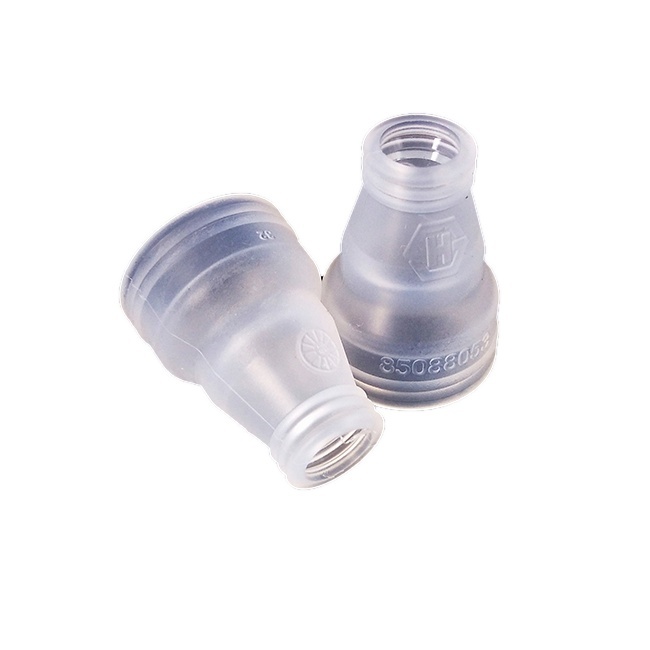
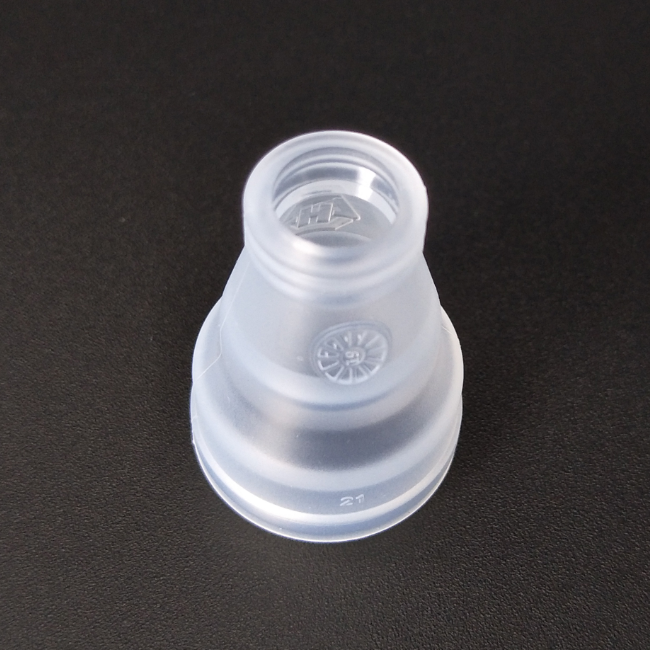
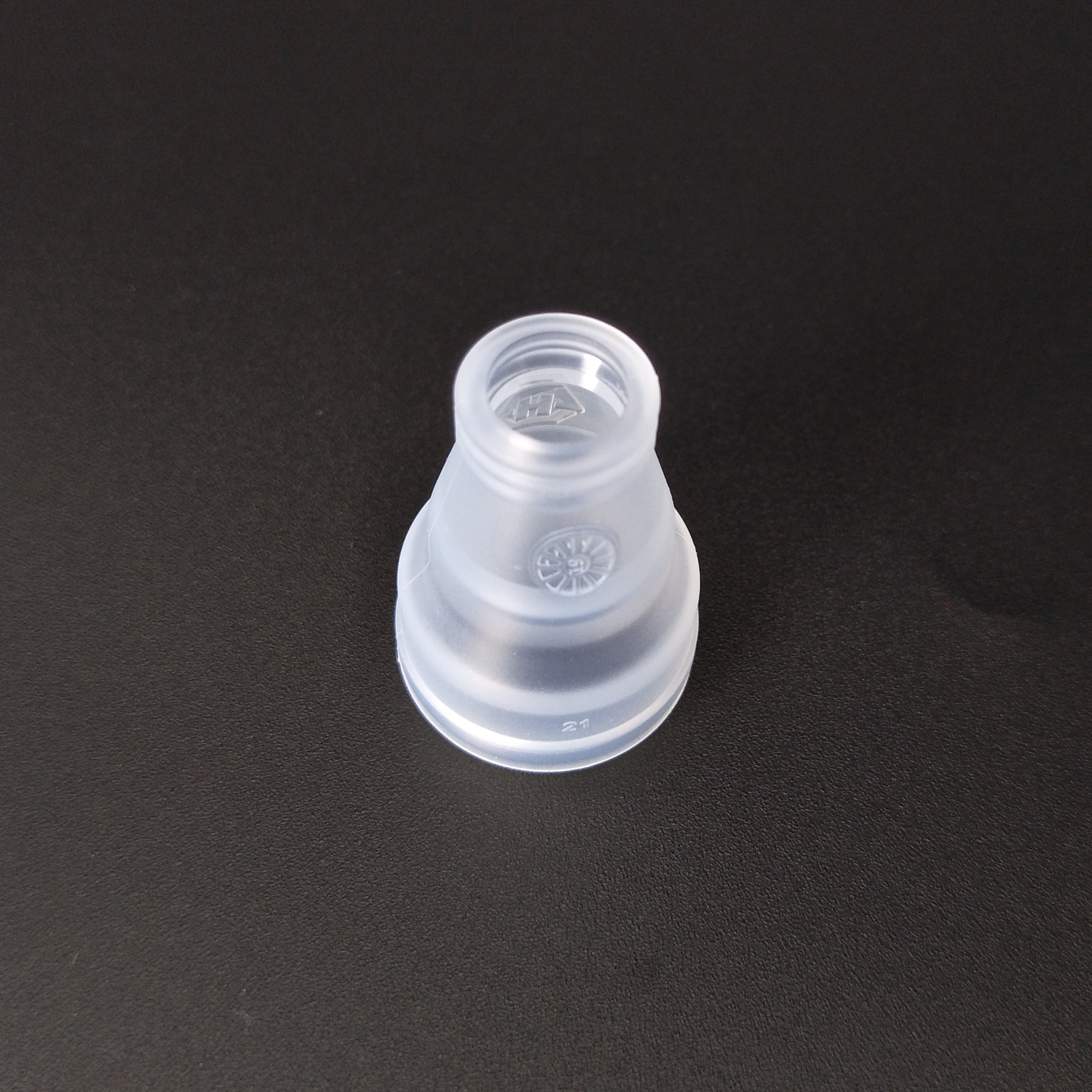
TYM manufactures custom silicone spark plug boots and ignition insulation components for automotive parts manufacturers, ignition system suppliers, wire harness producers, and aftermarket brands.

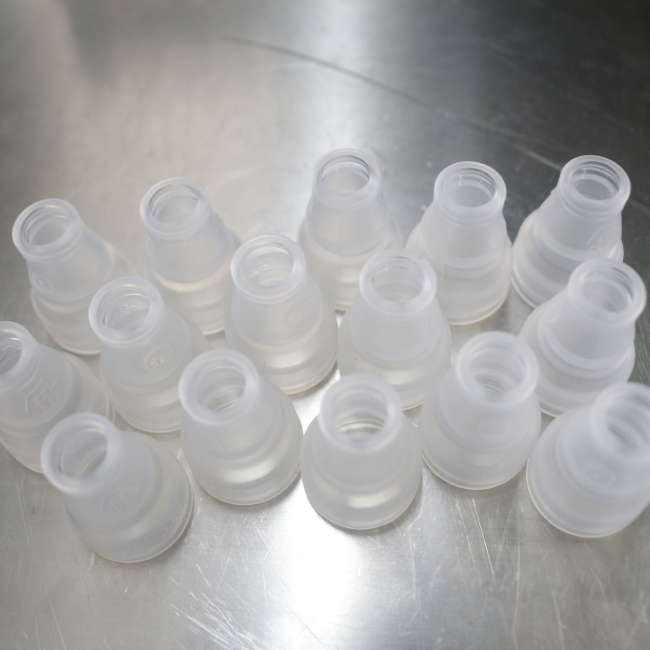
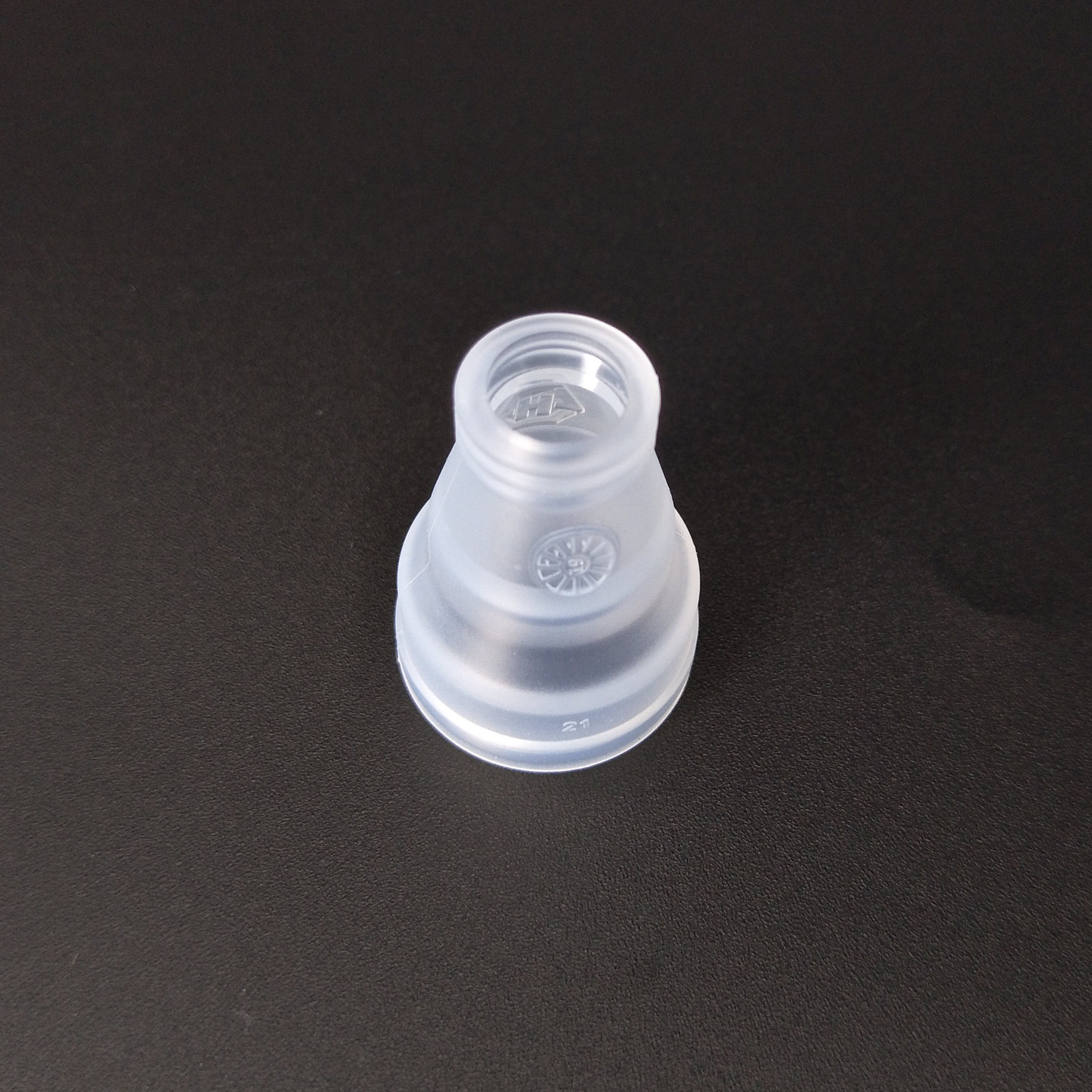
Designed for demanding engine environments, silicone spark plug boots help insulate high-voltage connections and protect ignition terminals from moisture, dirt, and environmental exposure. Their performance depends on the silicone compound, product geometry, terminal interface, and operating conditions.
We provide OEM manufacturing support from product design review and precision mold development to silicone molding, insert overmolding, quality inspection, and bulk production.
Custom dimensions · High-temperature silicone options · Electrical insulation · Metal terminal overmolding · OEM mass production
Spark plug boots operate in an environment involving heat, vibration, electrical stress, and possible exposure to moisture and automotive fluids. Material and structural design are therefore essential.
Selected silicone compounds can maintain flexibility and physical properties under elevated temperatures. The suitable operating temperature range depends on the compound, exposure duration, and actual installation environment.
Silicone rubber can provide electrical insulation for high-voltage ignition components. Dielectric strength, insulation resistance, and resistance to electrical tracking should be evaluated according to the application's voltage and operating requirements.
Precision mold design helps control critical dimensions, including internal diameter, terminal interface, insertion depth, and sealing geometry. These dimensions influence installation, retention, and electrical connection reliability.
A properly designed boot helps shield ignition connections from moisture, dust, and other environmental contaminants. Resistance to engine oil, fuel, cleaning agents, and other fluids must be confirmed for the selected silicone compound.
Silicone flexibility helps the boot accommodate installation movement and engine vibration. Wall thickness, geometry, and material hardness should be selected to balance flexibility and mechanical durability.
TYM supports straight, angled, and application-specific geometries, with custom colors and molded identification features subject to design feasibility.

| Requirement | What to evaluate |
|---|---|
| Heat resistance | Continuous and intermittent operating temperatures |
| Electrical insulation | Dielectric strength and insulation resistance |
| Electrical durability | Resistance to tracking and electrical aging |
| Mechanical properties | Tensile strength, elongation, tear resistance, and hardness |
| Environmental resistance | Moisture, ozone, UV, and weather exposure |
| Fluid compatibility | Contact with engine oil, fuel, grease, and cleaning agents |
| Dimensional stability | Fit, shrinkage, and aging-related changes |
The final compound should be selected according to the actual ignition system requirements. A general-purpose silicone grade should not automatically be assumed suitable for every automotive ignition application.