
LSR overmolding involves injecting liquid silicone rubber over a pre-formed substrate, such as plastic or metal. The process creates a strong bond between materials without adhesives. It's commonly used for soft-touch grips, sealing elements, and protective coatings. The key is designing compatible materials and mold geometry to ensure proper adhesion and part functionality.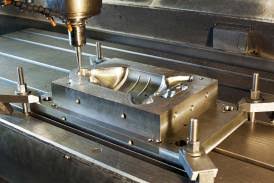
Surface energy modification through plasma treatment or priming enhances adhesion between LSR and substrates. Mechanical texturing or chemical etching can also improve bonding. The substrate must be precisely positioned in the mold cavity using custom fixtures. Any misalignment can lead to incomplete coverage or weak bond lines that compromise part performance.
Overmolding molds incorporate dedicated cavities for the substrate and pathways for LSR injection. Flow channels direct material to encapsulate the substrate completely. Venting is crucial to prevent air entrapment between layers. Temperature control zones may differ for each material to optimize cure conditions. Ejection systems must handle the composite part without damaging either material.
Consumer electronics use LSR overmolding for waterproof seals and ergonomic interfaces. Medical devices employ it for sterile barriers and comfortable patient contact surfaces. Automotive applications include shift knobs, steering wheel grips, and sensor housings. The process enables designers to combine rigid functionality with flexible aesthetics and tactile qualities in a single integrated component.

