A Complete Guide for LSR Injection Molding Process
The LSR injection molding process is now the most popular way to make high-precision, high-quality silicone parts for medical, baby care, automotive, electronics and industrial use.
LSR molding is a great option for manufacturers because it's stable, automated, and cost-effective for large-scale production.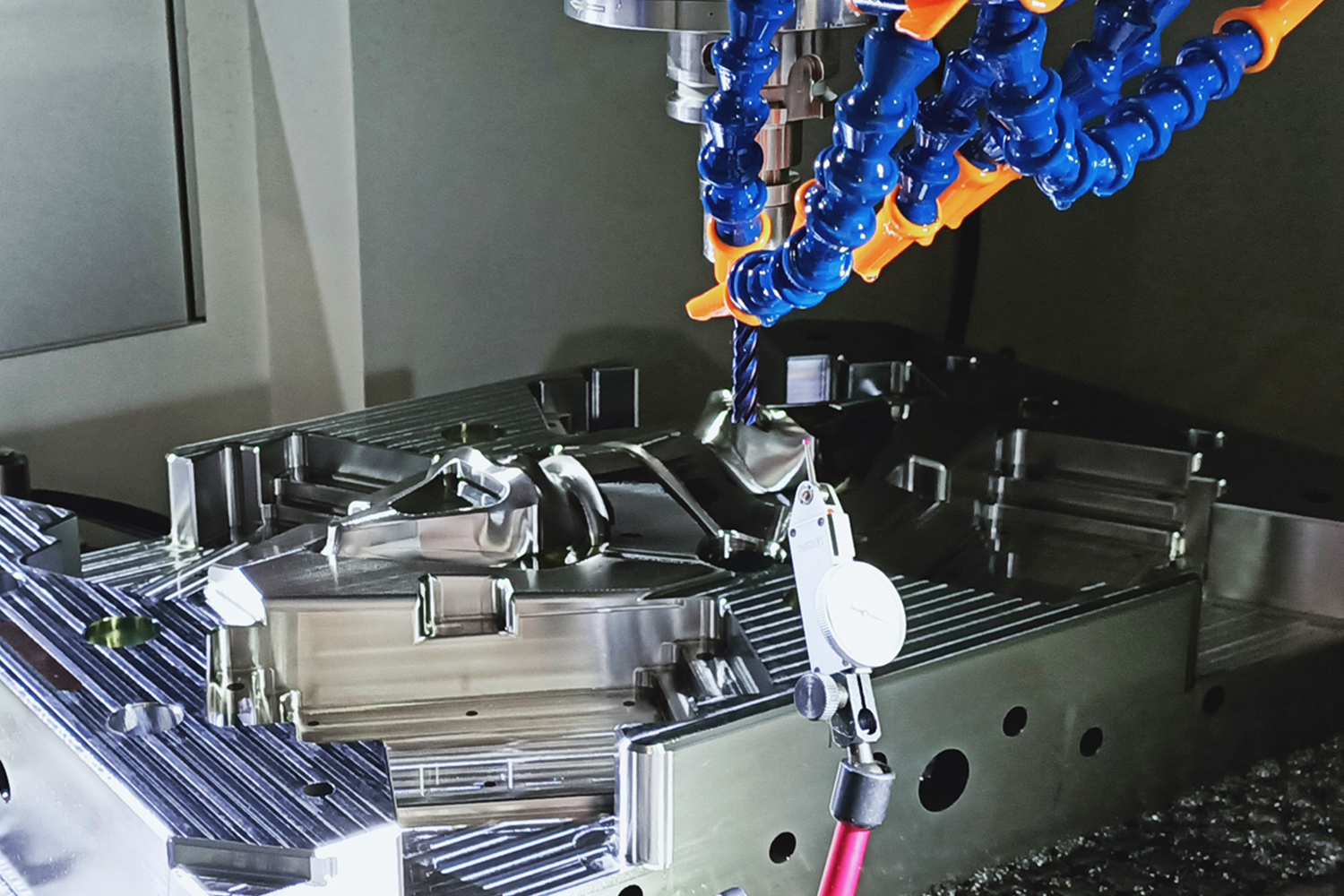
LSR injection molding is an automated process that injects a two-component liquid silicone material into a heated mold to form flexible, durable, and high-precision silicone parts.
Unlike solid silicone or compression molding, the LSR injection molding process delivers:
Below is a simple explanation of each step in the LSR injection moulding process.
The LSR material (made up of Components A and B) is pumped from sealed containers into the metering system.
A static mixer mixes the two components together at a set ratio, sometimes with pigment or other additives.
The mixed silicone enters a cold runner LSR mold system, preventing premature curing before the material reaches the cavity.
After curing, molded parts are automatically ejected by:
Air blowing
Robotic arms
Vacuum release
Stripping mechanisms
Fully automated demolding reduces labor cost and ensures consistent quality.
It is perfect for small and complex components such as valves, seals, and medical parts.
It can resist heat, chemicals and UV rays.
It is perfect for high-performance applications.
It is safe and does not cause any problems with the body.
LSR meets FDA, LFGB, and medical-grade standards.
Automated equipment makes sure that the quality is always the same, even when there are a lot of products.
