
Tool steels like P20, 420 stainless, and hardened H13 are commonly used for LSR molds. P20 offers good machinability and moderate wear resistance, suitable for medium-volume production. 420 stainless provides corrosion resistance for medical applications. H13 is chosen for high-temperature operations and long production runs where durability is paramount.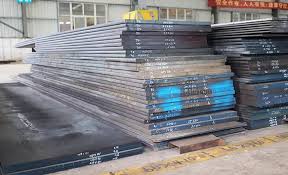
Harder materials like H13 extend mold life by resisting abrasion from glass-filled LSR grades. However, they're more challenging to machine and weld. Softer steels like P20 are easier to modify but may require more frequent maintenance. The choice balances initial cost, expected production volume, and part complexity against long-term replacement and downtime costs.
Chrome plating increases hardness and corrosion resistance, especially beneficial for medical and food-contact molds. Nitriding improves wear resistance without distorting critical dimensions. Texturing can be applied to create specific surface finishes on molded parts. These treatments also aid in demolding by reducing friction between the LSR and mold steel.
Metal or ceramic inserts used for overmolding must have compatible thermal expansion coefficients with the mold base steel. They're often press-fitted or secured with retention features to withstand injection pressures. Proper sealing prevents LSR leakage around insert perimeters. Inserts may also require independent temperature control for optimal processing results.

