
y at parting lines or ejector pins due to excessive injection pressure or insufficient clamping force. MicFlash occurs when LSR leaks out of the mold cavitroscopic gaps from worn mold components or improper alignment also contribute. High material viscosity variations or delayed cure times increase the window for flash formation. It's a common defect requiring secondary trimming operations if not prevented.
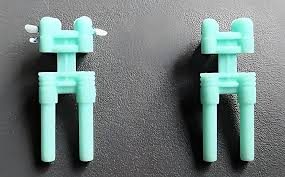
Ultra-precise machining ensures perfect alignment between mold halves. Micro-finishes on parting lines reduce leakage paths. Proper venting allows trapped air to escape instead of forcing material out. Ejector pins are ground and fitted with minimal clearance. Strategic placement of land areas around cavity perimeters provides additional sealing surfaces to contain material under pressure.
Optimizing injection speed and pressure profiles reduces excess material displacement. Adequate clamping force must exceed injection pressure by a safety margin. Real-time monitoring detects pressure spikes that precede flash formation. Temperature control prevents premature curing that increases viscosity and injection resistance. These adjustments work together to maintain containment within the mold cavity.
Visual inspection identifies external flash, while internal flash may require cross-sectional analysis. Automatic vision systems flag defective parts for removal. Corrective actions include adjusting clamp tonnage, modifying pressure settings, or scheduling mold maintenance. Root cause analysis determines whether changes are temporary workarounds or require permanent design modifications to eliminate recurring issues.

