
Mold flow analysis is a powerful computer simulation tool that allows engineers to predict how molten plastic will behave inside a mold before the mold is ever built. By inputting the part geometry, material properties, and proposed process parameters, the software calculates flow patterns, pressure distributions, and temperature profiles. This virtual experimentation is invaluable for identifying potential filling speed bottlenecks, such as areas where flow is restricted, where air might become trapped, or where weld lines could form. Addressing these issues in the design phase is far more efficient than discovering them after costly tooling is completed.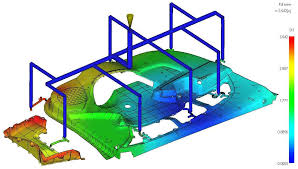
One of the primary benefits of mold flow analysis is the ability to optimize gate location and size virtually. The software can show how different gate positions affect the filling sequence and speed. It highlights areas that fill last, which are often the most critical for determining overall cycle time. By adjusting the gate design or adding additional gates, engineers can balance the flow to all parts of the cavity, enabling faster, more uniform filling without causing defects like jetting or air traps that would force a reduction in speed.
The analysis also reveals the impact of runner design and venting on filling efficiency. It can pinpoint regions of high pressure loss in the runner system, suggesting modifications to reduce resistance and increase flow rate. Similarly, it can identify areas prone to gas trapping, indicating where additional vents are needed to prevent backpressure from slowing the fill. This preemptive troubleshooting ensures that the physical mold, once manufactured, operates as efficiently as possible from the very first trial run.
Furthermore, mold flow analysis enables the comparison of different design iterations quickly and cheaply. Engineers can test numerous 'what-if' scenarios, such as changing wall thickness, adding ribs, or modifying draft angles, to see their impact on filling speed and quality. This iterative virtual optimization process leads to a robust mold design that fills quickly and cleanly. By leveraging mold flow analysis, companies can significantly reduce the time and cost associated with mold development while achieving faster, more reliable production cycles.

