
Mold surface finish, often measured in microinches or micrometers (Ra value), has a more nuanced impact on cycle time than initially apparent. Primarily, a smoother surface finish significantly reduces friction between the molded part and the mold steel during ejection. High friction can cause parts to stick, requiring greater ejection force, increasing wear on both the part and the mold, and potentially leading to part distortion or damage. A polished cavity allows parts to slide out more easily, speeding up the ejection phase and reducing the risk of delays or machine stops.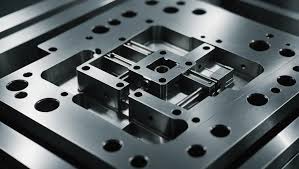
Beyond ejection, surface finish affects the cooling process. A highly polished surface has lower emissivity, meaning it radiates heat less efficiently than a rougher, 'matte' surface. Counterintuitively, this can sometimes lead to slightly longer cooling times. However, the dominant effect is often the improved heat transfer coefficient due to better contact between the molten material and the smooth mold wall during the initial filling and packing phases. This can lead to more uniform cooling and potentially faster overall solidification.
The choice of surface finish also impacts the part's final properties and the molding process itself. A fine finish is essential for producing parts with high cosmetic quality, such as those for consumer electronics or automotive exteriors. It also makes cleaning and maintenance easier, reducing downtime. However, overly smooth finishes can sometimes be problematic with certain materials or textures, leading to issues like vacuum locking or difficulty in releasing textured surfaces. Striking the right balance is key.
From a cycle time perspective, investing in a good surface finish on critical ejection surfaces (cores, especially deep-draw areas) pays dividends in reliability and speed. It reduces the variability associated with sticking parts, allowing for more aggressive ejection settings and consistent cycle times. While the initial machining or polishing may add to mold cost, the reduction in scrap, rework, and unplanned stops, coupled with smoother ejection, often results in a net positive impact on overall production efficiency and cycle time consistency.

