
Gate design is a pivotal element in determining both the speed and quality of the injection molding filling phase. The gate is the entry point for the molten material into the part cavity. Its size, shape, and location dictate how quickly and in what manner the material flows into the mold. A larger gate allows for faster filling, reducing injection time. However, it can also lead to issues like jetting, where the fast-moving material stream hits the far wall of the cavity, causing flow marks, air traps, or weld lines that compromise part strength and appearance.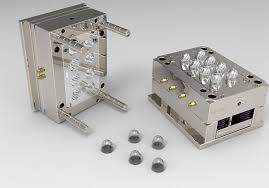
Different gate types offer various speed and quality trade-offs. Sprue gates, directly connected to the runner, provide a large opening for rapid filling but often leave a large vestige on the part that requires post-processing. Pinpoint or tunnel gates are smaller and can be automatically cut, leaving a cleaner part, but they restrict flow and may require higher injection pressures or longer fill times. Valve gates offer the ultimate in control, allowing the processor to start and stop flow precisely, optimizing speed and minimizing defects, though they add complexity and cost to the mold.
Gate location is equally critical. Placing the gate at the thickest section of the part can help feed material during the holding phase, reducing sink marks. Locating it to promote unidirectional flow can minimize weld lines by ensuring fronts meet at a single, planned location. Poor gate placement can lead to racetracking, where material flows preferentially along one path, causing uneven filling and potential quality issues. This imbalance forces processors to slow down the injection speed to compensate, increasing cycle time.
Advanced simulation tools are invaluable for optimizing gate design. They can predict flow patterns, pressure distributions, and potential defect locations before the mold is built. This allows engineers to virtually experiment with different gate sizes, shapes, and locations to find the configuration that achieves the fastest fill with the highest quality. By investing time upfront in gate design optimization, manufacturers can achieve significant improvements in both production speed and part quality, making it a crucial step in the mold design process.

