
LSR mold design hinges on understanding the material's low viscosity and high thermal expansion. Unlike thermoplastics, LSR requires precise venting and degassing systems due to its rapid cure and gas generation. Parting lines must be ultra-precise to prevent flash. Gate placement is critical for uniform filling and minimizing shear heating that could degrade the material.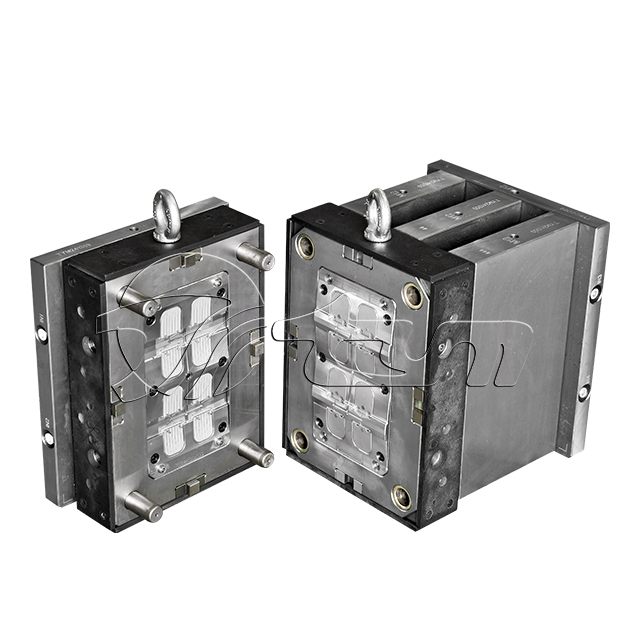
Heating channels are milled directly into mold plates and connected to temperature control units. These systems maintain consistent mold temperatures between 170°C to 200°C. Balanced flow paths ensure even heat distribution. Thermocouples placed strategically provide feedback to controllers, preventing hotspots that could cause premature curing or part distortion.
LSR molds require specialized venting due to the material's tendency to trap air. Micro-vents, typically 0.02mm to 0.03mm deep, are machined along parting lines. Vacuum vents may be used for critical areas. Proper venting prevents burn marks, incomplete fills, and ensures smooth surface finishes. It's a critical factor distinguishing LSR molds from conventional rubber molds.
The parting line in LSR molds must be perfectly flush to prevent flash formation. Even microscopic gaps can allow LSR to leak out due to its low viscosity. Advanced CNC machining and EDM techniques are used to achieve the required precision. Strategic placement also facilitates easy ejection and minimizes post-processing needs for the final parts.

