
Overmolding, the process of molding a second material over or around a pre-existing substrate (often called the 'core'), introduces unique complexities that can significantly impact process speed. The mold design must accommodate two distinct materials, often with different processing temperatures, cycle times, and flow characteristics. The first, or core, material must be securely held in place during the second shot without distortion. Misalignment or movement can ruin the part, forcing costly scrap and slowing down the process due to careful handling requirements.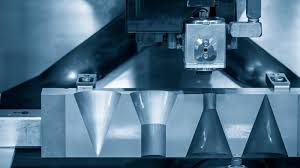
Indexing and core positioning mechanisms are critical for speed in multi-shot overmolding. The mold must be able to rotate or shift precisely to align the pre-molded core with the second-shot cavities. This transfer must be swift and accurate. Any hesitation or misalignment requires manual correction or results in defective parts. Advanced molds use servo-driven or cam-operated systems for rapid, repeatable indexing, minimizing the time lost between shots and maximizing the throughput advantage of the overmolding process.
Thermal management becomes more challenging in overmolding. The first-shot material may be at a different temperature than required for the second shot. The mold must either rapidly adjust its temperature or be designed with zones that can accommodate both materials' requirements. Inefficient thermal transitions can extend the overall cycle time, negating the speed benefits of combining two operations into one. Hot-runner systems for the second shot can help maintain optimal material temperature and flow, contributing to faster, more consistent cycles.
Gate and venting design for the second shot is particularly crucial. The flow path for the overmold material must navigate around the often complex geometry of the core part. Poor gate placement can lead to incomplete coverage or air traps. Vents must be positioned to allow air to escape from tight spaces between the core and the cavity. Getting this right ensures the second shot fills quickly and cleanly, realizing the full potential of overmolding for speed by eliminating the need for a separate assembly step downstream.

