
Design considerations for high-cavitation LSR molds in mass production focus on maximizing output efficiency substantially. Balancing flow paths ensures simultaneous cavity filling preventing weld lines effectively. Gate sizing influences injection speed and pressure requirements critically. Runner systems minimize material waste while maintaining consistent delivery reliably. Ejection mechanisms must accommodate multiple parts synchronously. Cooling channel layouts optimize thermal dissipation maintaining uniform mold temperatures efficiently.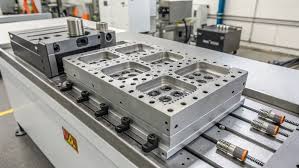
Gate location strategies impact final part quality significantly. Edge gates provide simple implementation but may leave visible marks visibly. Subsurface gates hide vestiges beneath part surfaces aesthetically. Valve gates enable sequential filling controlling cavity order precisely. Hot tip gates eliminate runners completely reducing waste generation noticeably. Each gate type offers distinct advantages depending upon application requirements specifically.
Runner system designs balance material efficiency with process control effectively. Cold runners require trimming post-molding adding labor costs subsequently. Hot runner systems maintain material temperature eliminating waste entirely. Valve-gated runners allow individual cavity control enhancing flexibility notably. Manifold designs distribute material evenly across all cavities uniformly. Insulated runners minimize heat loss preserving energy economically.
Ejection system complexities increase proportionally with cavity count substantially. Pin ejection provides basic functionality suitable for simple geometries adequately. Sleeve ejection accommodates cylindrical parts efficiently. Stripper plate systems handle complex shapes reliably. Air blow-off assists part removal in sticky situations effectively. Sequential ejection prevents interference between adjacent components successfully. These mechanisms ensure smooth part release consistently.

